Dovilla proposes zero-based budgeting to boost fiscal accountability
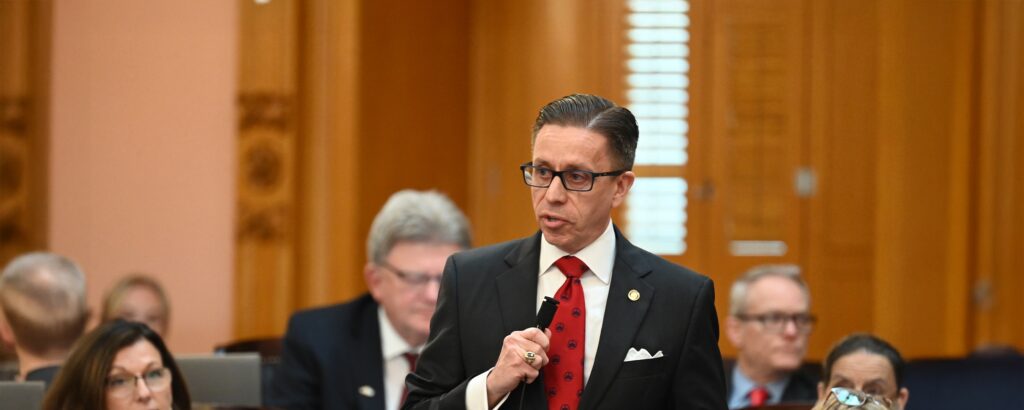
State Rep. Mike Dovilla, R-Berea, introduced legislation Monday that would require Ohio to adopt zero-based budgeting for its state operating budget on a recurring basis, aiming to enhance fiscal transparency and accountability.
House Bill 645 would mandate that state agencies build their budget requests from scratch — starting at zero — rather than basing them on previous spending levels. The requirement would begin with the 137th General Assembly, convening in January 2027, and repeat every 10 years thereafter.
“Zero-based budgeting shifts the focus from what government has spent in the past to what it actually needs to accomplish its mission today,” Dovilla said in a statement. “By periodically starting at zero, lawmakers and taxpayers gain a clearer picture of how public dollars are being used and whether those expenditures are delivering measurable value.”
Under current incremental budgeting practices, agencies typically start with the prior biennial budget and propose adjustments for inflation, growth or new programs. Dovilla argued this approach can perpetuate outdated, inefficient or duplicative programs without sufficient scrutiny.
A sentiment echoed by Greg Lawson, Research Fellow at the Buckeye Institute, who told Ohio.News by phone that zero-based budgeting is a merit-based approach that keeps government accountable and transparent.
“Zero-based budgeting gets the budget back to brass tacks and allows policymakers to ensure agencies have what they need to operate under statutory obligations, while also ensuring agencies don’t just keep getting redundant funding, merely because they exist.”
The bill seeks to force regular reexamination of all expenditures, encouraging agencies to justify each dollar based on current priorities, performance and needs. Proponents say the process would improve oversight, eliminate waste and better align limited taxpayer resources with essential government functions.
“Responsible budgeting requires more than simply carrying spending forward year after year,” Dovilla added. “Whether at the state or federal level, zero-based budgeting provides policymakers with an opportunity to reassess priorities, improve oversight, and strengthen long-term fiscal responsibility.”
Alongside the bill, Dovilla introduced a House concurrent resolution urging Congress to implement zero-based budgeting federally. The resolution references Senate Bill 181 in the 119th Congress, which proposes similar requirements for federal agencies. Both measures await committee assignment in the Ohio House.
Dovilla, who represents Ohio’s 17th District and serves on key committees including Finance, has a history of advocating for fiscal responsibility and government accountability. He previously contributed to multiple balanced state budgets, emphasizing spending restraint and tax relief.
Zero-based budgeting, while not new, has been used intermittently by some governments and private entities and represents a shift toward more rigorous justification of public spending amid ongoing debates over state fiscal priorities.
The legislation comes as Ohio continues implementing its recently enacted biennial budget for fiscal years 2026-2027, which included a flat 2.75% income tax rate for all, along with significant efforts aimed at long-term economic growth.