As number of recovery houses in Ohio grows, state seeks to stop fraud
The number of recovery houses has exploded in recent years, and evidence suggests bad actors are taking advantage of the system to bilk Medicaid.
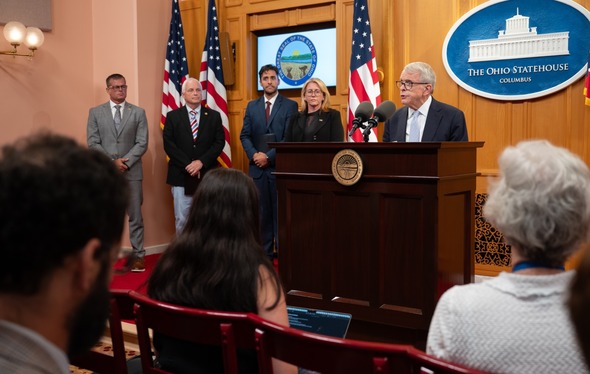
Republican Gov. Mike DeWine has signed an executive order, months after witnesses testified in favor of legislation to reform the state’s recovery residence system. The new rules should give officials increased power to refer fraud, waste, and abuse to the Ohio Attorney General’s Office for prosecution.
Since 2022, the number of recovery houses in operation has grown by more than 377%, from 356 to more than 1,700. Officials now say that many recovery houses — locations that ostensibly offer safe, substance-free residences where Ohioans can recover from their addictions — are opening and operating without necessary certification and with unsafe, poor living conditions, particularly in southern Ohio.
“Most recovery housing providers are dedicated professionals who work tirelessly to help Ohioans rebuild their lives,” DBH Director Tia Marcel Moretti said in a release. “They deserve a fair, transparent, and consistent regulatory framework that recognizes quality, protects residents, and promotes public trust.”
There doesn’t seem to be a total for how much bad actors in the recovery house space might be defrauding Medicaid. However, Medicaid fraud remains a concern in the state, with some estimates suggesting that it could surpass $1 billion.
Under the new emergency rules, DBH can implement a certification program with higher standards. That agency will also have the authority to take complaints, investigate potential issues, and enforce compliance.
“Recovery housing was intended to be part of the solution,” Scioto County Sheriff David Thoroughman said in prepared April testimony to the Senate Addiction and Community Revitalization Committee. “Unfortunately, with the amount of money available in this space, it also attracts the wrong people for the wrong reasons. We are seeing bad actors exploit recovery housing for profit, while failing those in need and burdening communities with unchecked, unregulated facilities.”
The executive order implements elements of bipartisan House Bill 58, a measure that lawmakers previously debated and that would have reformed the system. Among the provisions it mandated was a DBH-maintained list of recovery housing operators in the state.
The state House passed the legislation unanimously in February, but the measure stalled in the state Senate.
“Bad actors can treat individuals as cost centers, billing Medicaid for services and only offering housing as an inducement to participate in treatment services,” Katie Breidenbach Wooding, director of public policy for Ohio Recovery Housing, said in prepared April testimony to the Senate Addiction and Community Revitalization Committee. “Bad actors do not maintain the housing – often placing as many people as possible in the housing to reduce costs and maximize profits. They do not provide appropriate oversight, leading to issues with the local community.”
Related Stories
PAC ad slams Amy Acton for dodging debate with Vivek Ramaswamy
Ohio removes 75 noncitizen voter registrations in latest citizenship review