Lawmakers could consider automated license plate reader legislation
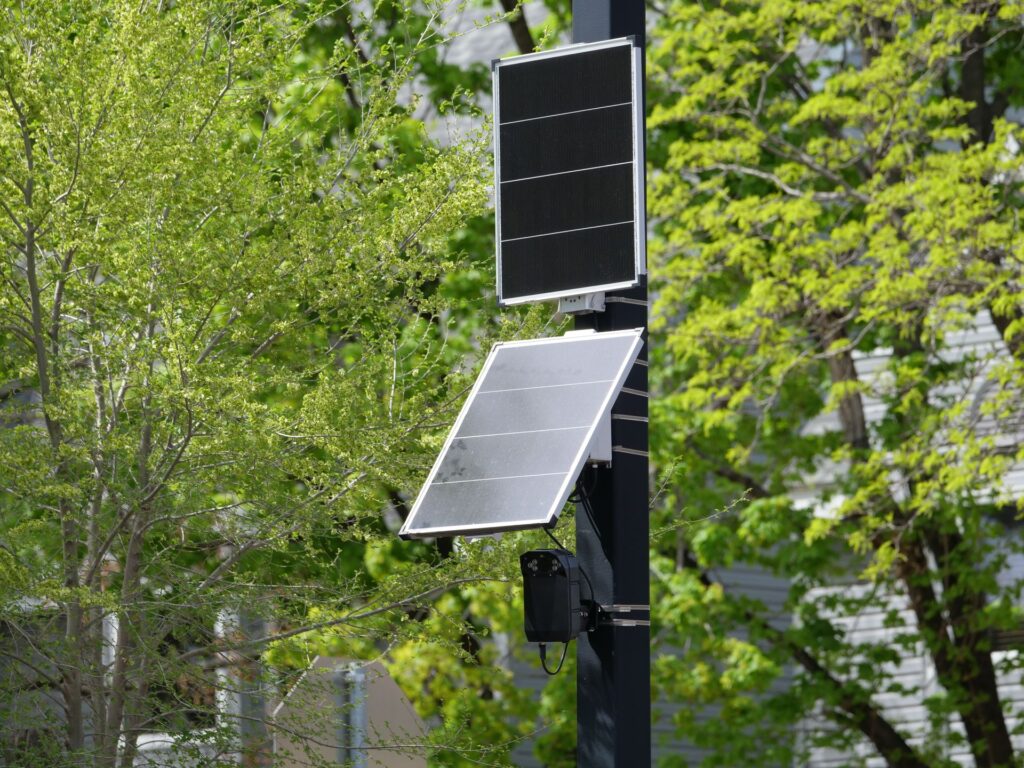
Lawmakers are quietly considering a bill that would exempt automated license plate reader records from disclosure under state public records laws.
Lawmakers could put automated license plate reader legislation on the agenda during their lame-duck session. The state House has already held three hearings on House Bill 725, and a fourth is set for this week.
According to legislative records, no one has testified on the measure except state Rep. Kevin Miller, R-Newark, its sponsor. During his sponsor testimony, Miller said the measure “aims to stop the exploitation of personal data collected by automated license plate recognition systems.”
“This legislation ensures that data generated by scanning a person’s license plate cannot be sold or shared for commercial gain,” Miller said in prepared testimony. “This information can [aid] criminals in stalking, kidnapping, human trafficking, vehicle theft and it welcomes the opportunity for someone to be tracked without their consent.
“It’s important to note, this bill does not interfere with legitimate law enforcement use of ALPR systems,” Miller added. “In conclusion House Bill 725 closes this loophole to protect the personal data of Ohioans while maintaining the tools that make Ohio safer.”
According to FindingFlock, more than 6,900 automated license plate readers are deployed across the Buckeye State. According to the site, Columbus has the most cameras, 346, or 1.56 cameras per square mile.
A second measure, House Bill 1010, the Ohio Freedom from Mass Surveillance Act, would ban governments from deploying mass surveillance technologies, such as Flock cameras, or accessing surveillance footage without a search warrant. It would also prohibit people and organizations from selling the data.
“I fully support catching criminals. I support giving law enforcement the tools they need to keep our communities safe. But protecting innocent people matters, too,” state Rep. Levi Dean, R-Xenia, said in a statement.
“Flock cameras and automatic license plate readers can be valuable tools, but a tool that can track the movements of innocent Americans can also be abused in the wrong hands,” Dean added. “Think about your worst enemy having that kind of power. Now think about what the widespread use of these systems could have meant during lockdown orders or under a government that decided where you could go, who you could visit, or what activities were acceptable.”
Dean noted that although the Fourth Amendment long predates automated license plate readers and similar technology, its principle has not changed.
“Government power must have limits,” Dean said. “We don’t have to choose between catching criminals and protecting our constitutional rights. We can do both.”