Amid new job numbers, group says state should keep regulatory barriers, taxes low
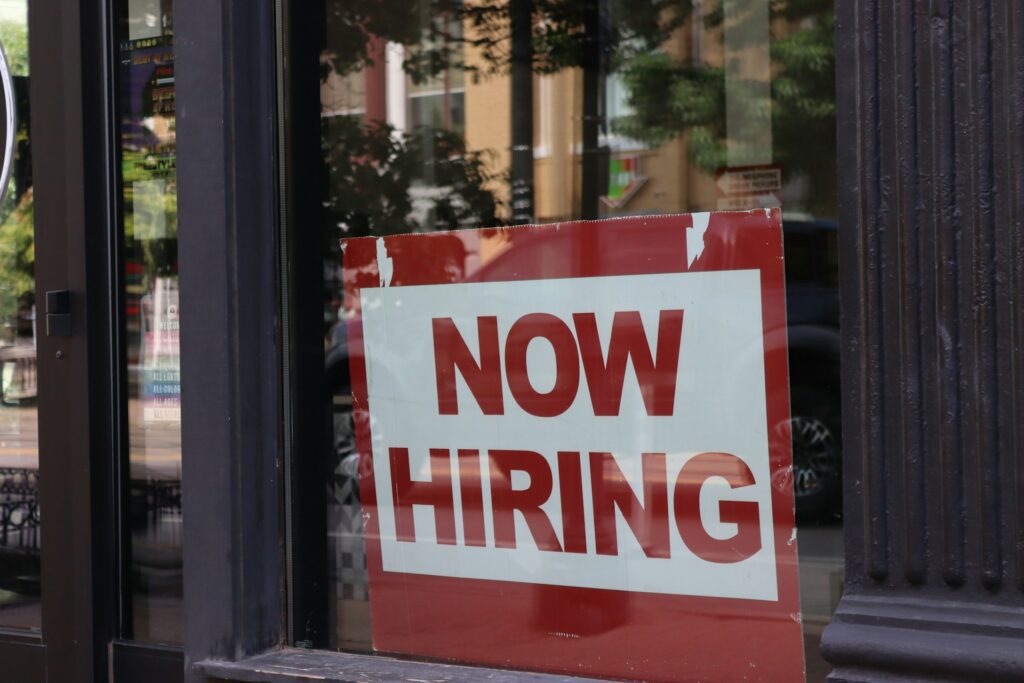
New numbers suggest workers continue to leave the labor force, and a Columbus think tank said policymakers should avoid handing out tax breaks to special interests to help the state continue its positive momentum.
Numbers released on Friday from the Ohio Department of Job and Family Services revealed that the Buckeye State’s unemployment rate was 3.6% in June. While it is down from 3.7% a month earlier, the troubling news, however, might be labor force participation, which stood at 61.6% in June, down from 61.8% in May and 62.5% in June 2025.
For comparison, the national unemployment rate for June was 4.2%, down from 4.3% a month earlier but up from 4.1% a year ago. The national labor force participation rate was 61.5% in June, down from 61.8% in May and 62.3% in June 2025.
“Ohio’s unemployment rate declined to 3.6 percent in June,” Rea S. Hederman Jr., executive director of the Economic Research Center and vice president of policy at The Buckeye Institute, said in a release.
“This decline, however, is due to another month’s drop in the labor force participation rate, down from 61.8 percent to 61.6 percent,” Hederman added. “While Ohio’s job market remains stronger than the national average—which has an unemployment rate of 4.2 percent and a labor force participation rate of 61.5 percent—both the national and Ohio job markets are weaker as a result of workers who have stopped looking for jobs.”
The latest numbers follow research from the National Federation of Independent Business Research Center that shows the job market remains a major concern for Main Street.
“Ohio’s private sector had better news, adding 6,400 new jobs, which more than erased job losses in May,” Hederman said. “However, Ohio has seen only 1,500 new private-sector jobs added since April 2026, again indicating a slow job market.”
Hederman also pointed to a bright spot for the state: CNBC’s decision to name the Heart of It All, the top state for business. State leaders have seized on the announcement.
In a release, Republican Gov. Mike DeWine said the news is proof of his promise “to ‘plant the seeds’ of long-term investments that will positively impact Ohio for years to come.”
“Through responsible policies and investments, including the elimination of Ohio’s estate tax, flattening the personal income tax, business income deductions, regulatory reform, free market energy creation, substantial support for vocational training, tools for state and local economic development, and much more, we have continued to make Ohio the best place to live, work, raise a family, and do business,” Speaker of the Ohio House Matt Huffman, R-Lima, said in a release last week.
However, Hederman said state policymakers can’t afford to rest on their laurels.
“CNBC rated Ohio America’s top state for business in 2026, largely due to the ease with which businesses can build things and enter markets,” Hederman added. “To continue this momentum, attract more employers to the state, and keep Ohio competitive, policymakers should keep regulatory barriers and taxes low without handing out tax breaks to special interests.”