As data centers target rural communities, state lawmaker says it’s up to locals to decide
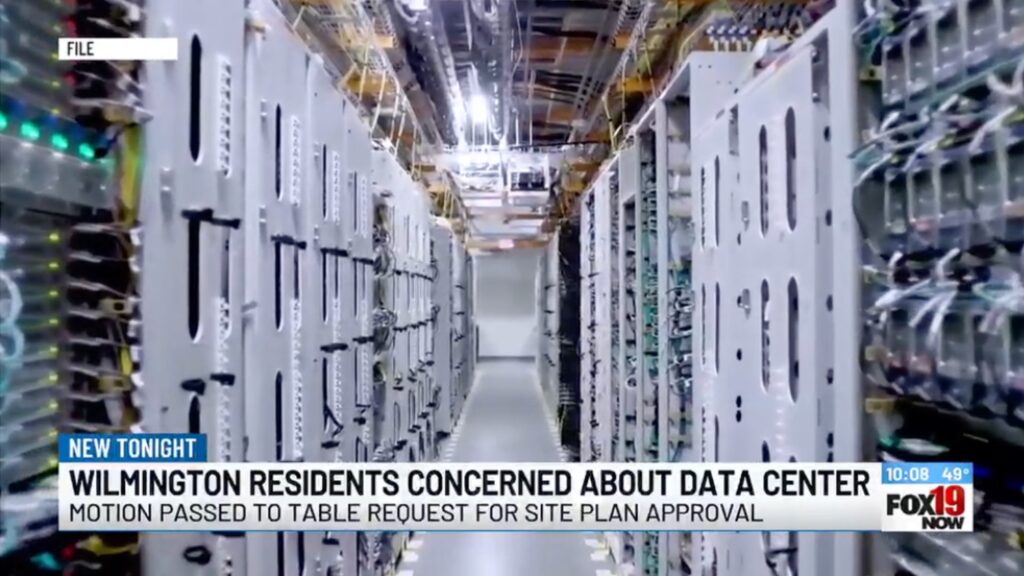
As companies target rural communities by buying their land and, therefore, putting them at risk, a Republican Ohio official addressed a growing concern, saying he has “no vote in that.”
Data center developers are increasingly targeting rural communities for new facilities, drawn by cheaper land, lower taxes, and fewer zoning restrictions, even though Ohioans are concerned that the centers could negatively impact the local environment, infrastructure, and public health.
A study by Rice University Business’ Tommy Pan Fang and Harvard University Business’ Shane Greenstein found that data center companies prefer rural areas because land is significantly cheaper. Local governments are often eager for investment, even when long-term costs are unclear.
In a post to Facebook, Ohio Rep. Brian Stewart, R-Ashville, who represents one of the communities that could be affected by the data centers, said that zoning authority belongs to local officials.
“First, and foremost, zoning and land use is a local decision, not a state decision,” Stewart wrote, adding that “Ashville elected officials get to decide what goes in Ashville and where.”
“As State Representative, I have no vote in that,” he wrote.
Stewart pushed back on calls for state-level intervention, saying that pressuring local officials would be inappropriate.
“These local decisions are hard enough without getting lobbied by other officials who have no legal role in the process,” he wrote, warning that shifting zoning authority to Columbus would be “the opposite of ‘local control.’”
On data centers specifically, Stewart noted that as House Finance Chairman, he supported removing Ohio’s sales tax exemption for data centers, but said “the governor vetoed that provision.”
“I don’t believe there’s enough votes today to somehow ban data centers outright,” he wrote.
The Ohio debate comes amid broader concerns about the negative impacts of data centers, including rising electricity costs tied to growing demand and potential wastewater discharges into state lakes.
“If you’re really concerned about our safety, safety comes first – not economic values that the data centers are going to promise us,” Barry Blankenship, who has opposed a data center in Trenton, Butler County, said. “Because I can tell you, our lives are more important than a data center.”
Previous reports have indicated that Ohio could be affected by data centers that are potentially linked to rare cancers and miscarriages. Local resistance has delayed projects, including the proposed Amazon data center near Wilmington.
Related Stories

Sherrod Brown’s 2019 comments make him sound like a liberal, not a moderate

Does liberal Rep. Ismail Mohamed live in Delaware County? Franklin County elections board dismisses challenge