
Columbus mayor wants to eliminate Flock cameras — City Council, Cleveland, and some universities oppose the idea
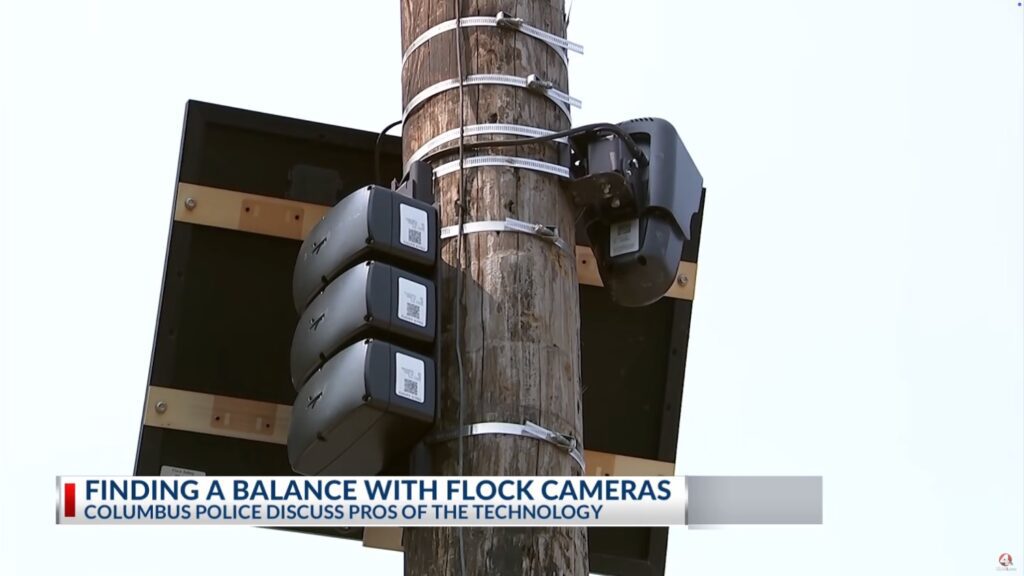
While Columbus Mayor Andrew Ginther moves to halt statewide data sharing from the city’s Flock Safety license plate reader cameras, a member of the Columbus City Council opposed the idea, matching the same stance as Cleveland officials and some universities in the Buckeye State.
The recent push by Ginther came after it was allegedly discovered via a police audit that federal agents searched through the network for photos and videos of immigrants.
“Columbus resources are meant to keep our residents safe and thriving. Any other use is unacceptable,” Ginther told The Columbus Dispatch. “By my order, CPD has stopped statewide data-sharing from our license plate reader network. This means Columbus Police will still have access to this tool, which has played a role in approximately 60% of recent homicide arrests.”
Ginther added that federal agents will not be able to use Columbus data to deport immigrants, the newspaper reported.
“There is absolutely a risk inherent in any of these systems. What we’re trying to do in a thoughtful way is mitigate those risks. Then we assess: does that residual risk weigh against the very concrete benefits we’re seeing for the citizens of Columbus in solving cases every week,” Deputy Chief Tim Myers said, per The Dispatch.
However, Columbus City Councilmember Emmanuel Remy, chair of the public safety committee, was reluctant to end the Flock contract entirely, according to WOSU Public Media.
“I think this is a valuable tool that has helped solve many crimes, and when you talk to the victims of those crimes, they absolutely want this in place because it’s solved murders, it’s found kidnapped children, it has been there to help against youth violence,” Remy said, WOSU reported.
Remy said that the tool should not infringe on “the rights and civil liberties of our residents,” adding that he and other government officials should not “take drastic moves of eliminating a technology that has helped so many lives.”
Council will hold a public hearing on Aug. 10 to discuss the issue, with Remy saying, “it’s about providing transparency and accountability.”
“We’re gonna take this opportunity to examine what has occurred in the past, what policies have been put in place to prevent them from happening in the future,” he said, according to WOSU.
Additionally, several Ohio universities, including The Ohio State University and Case Western Reserve University, decided to continue using Flock cameras.
“The safety of our campus community is our number one priority,” Ohio State officials said, according to Signal Ohio.
Case Western Reserve officials said that while the university shares information from the Flock cameras with local law enforcement, it doesn’t cooperate in the same way with federal agents, per Signal Ohio.
Cleveland City Council also extended its Flock contract for six months, while prohibiting data sharing with third parties, creating a transparency portal, and cutting off access to the fusion center, according to Signal Cleveland.
“Our city is overrun with crime,” Ward 1 Council Member Joe Jones told Signal Cleveland. “We need to use every tool possible. This is a no-brainer for me.”
According to Signal Cleveland, some records allegedly showed that in 2025, almost 2,000 immigration- and ICE-related searches were conducted on Cleveland’s cameras.
“If you’re using this system just to persecute people, I’ve got a problem with that. The system was intended to go after people involved in violent crimes,” Councilman Mike Polensek previously told Cleveland.com.
Related Stories
No news stories found.