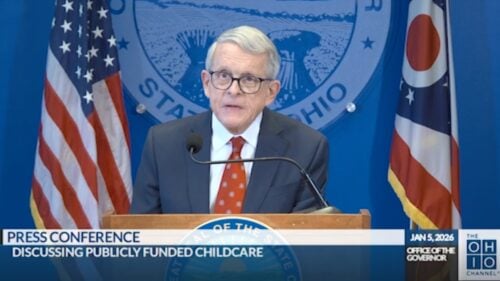
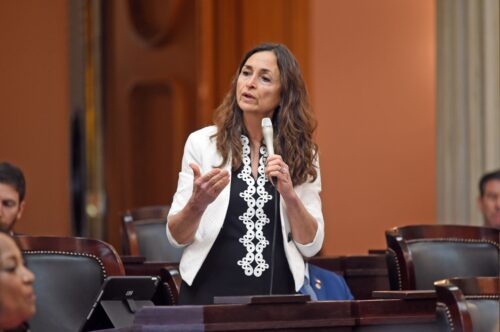
DeWine praises Husted for proposing ‘thoughtful’ welfare solution
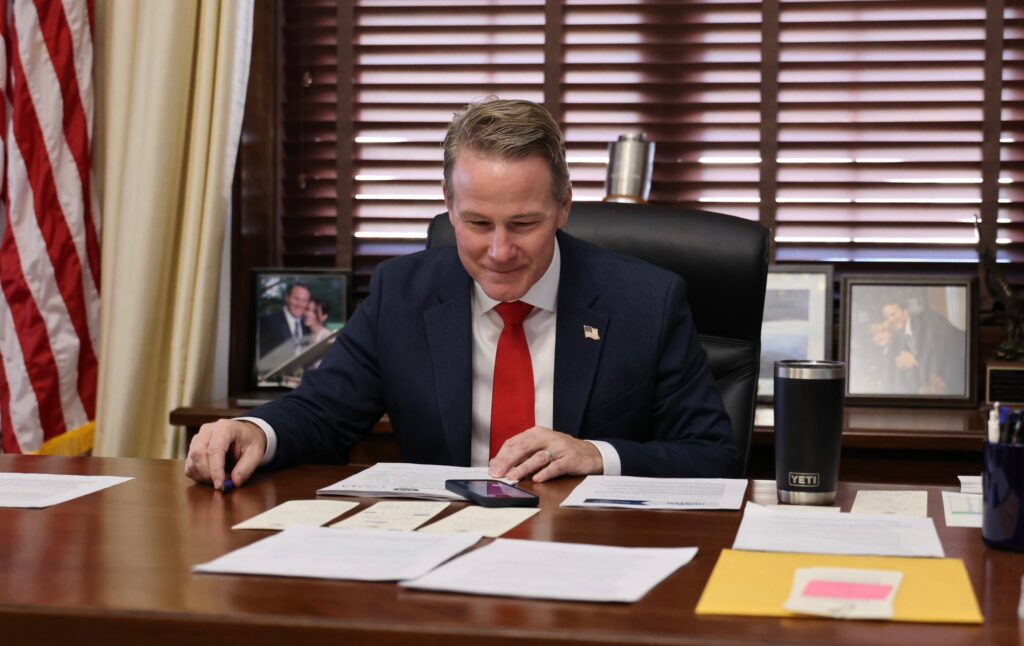
Ohio Gov. Mike DeWine supported a “thoughtful” welfare reform proposal to eliminate the “benefits cliff” and is using social media to highlight a bill designed to help Americans transition from public assistance to higher-paying work without penalty.
“Public benefits should give people a path to success, not trap them in a cycle of poverty,” he wrote on X. “@SenJonHusted’s proposal is the most thoughtful approach to solving the benefits cliff I’ve seen, and I would be glad for Ohio to be among the pilot states.”
Public benefits should give people a path to success, not trap them in a cycle of poverty. @SenJonHusted’s proposal is the most thoughtful approach to solving the benefits cliff I’ve seen, and I would be glad for Ohio to be among the pilot states. https://t.co/jOt5AqhE6k
— Governor Mike DeWine (@GovMikeDeWine) January 6, 2026
According to a news release from Husted, DeWine also said that benefit cliffs “hold people back from reaching their full potential.”
“Senator Husted’s commonsense solution will help more Ohioans become self-sufficient, support their families, and contribute to a stronger workforce. He has my full support,” he said.
In his X post, U.S. Sen. Jon Husted, R-Ohio, also explained why he introduced the bill.
“I introduced the Upward Mobility Act to create a system that empowers people to create a path for financial independence and a more hopeful future,” he wrote in a post on X.
Government assistance is not the dream for any American, but right now, it is the reality for too many hardworking people.
Americans trapped behind a benefits cliff are disincentivized from pursuing higher-paying jobs.
I introduced the Upward Mobility Act to create a system…— Senator Jon Husted (@SenJonHusted) January 6, 2026
The Upward Mobility Act would authorize a five-year pilot program that allows states to consolidate funding streams across multiple anti-poverty programs, according to a Husted news release.
The bill aims to eliminate sharp drops in benefits that occur when recipients receive small wage increases, leaving some families financially worse off after earning a raise.
“Government assistance is not the dream for any American, but right now, it is the reality for too many hardworking people. Americans trapped behind a benefits cliff are disincentivized from pursuing higher-paying jobs,” Husted said in a release.
The bill also seeks to prevent working families from declining promotions or increased hours to retain critical support such as housing assistance, SNAP benefits, and childcare aid.
“The keyword here is freedom. My bill would free states from bureaucratic rules that limit flexibility and allow them to invest those savings in reforms that eliminate benefit cliffs,” Husted said in a release. “It would free state governments to blend the public and private sectors to create a system that works best for their people. And it would free states to respond to the specific challenges confronting their population, ultimately giving Americans the freedom to pursue better jobs.”
The bill authorizes participating states to integrate 10 federal programs into a single, coordinated support structure.
Those programs include SNAP, Temporary Assistance for Needy Families, child care, housing assistance, and more. The bill would also allow states to invest in programs that promote employment and economic self-sufficiency.
“This is the sort of compassionate welfare reform that should draw bipartisan support,” Michael Tanner, senior fellow at the Foundation for Research on Equal Opportunity, said in a release.