EXCLUSIVE: Rep. Thomas talks about abolishing property taxes, warns about consequences
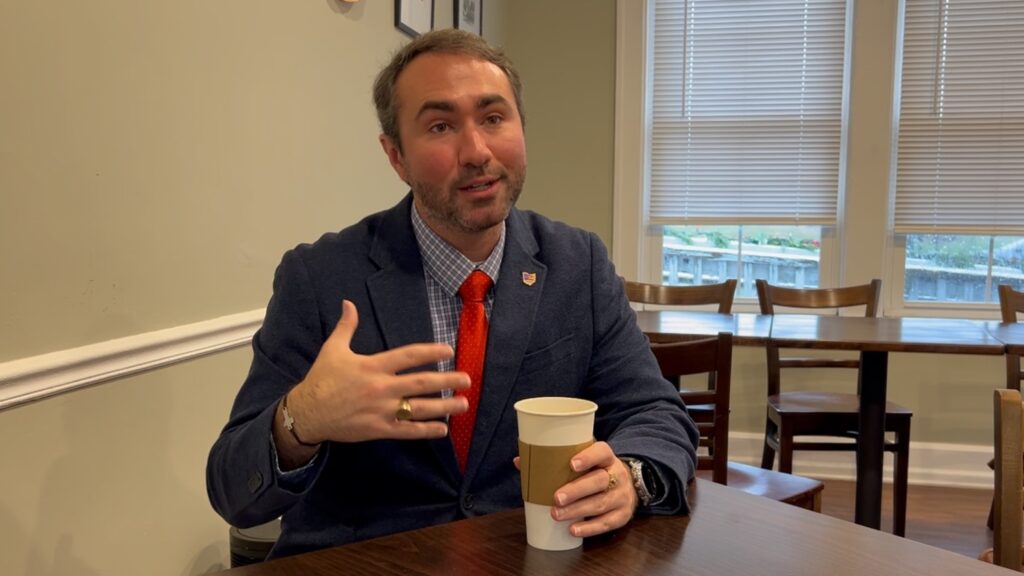
State Rep. Dave Thomas, R-Jefferson, talked in depth about one of the most pressing political issues that he’s been trying to solve for quite a while – property taxes – claiming that these taxes could be abolished while warning about the consequences if that were to happen.
According to Thomas, eliminating property taxes is “very possible,” but Ohioans may not like the alternatives.
“That’s $24 or $25 billion in local revenue,” he explained. “If you shift that to sales tax or income tax, you’re looking at a 20% sales tax or a 12% income tax. Voters won’t go for that.”
Thomas also noted that cutting state spending to fill the gap is almost impossible.
“Half our budget is Medicaid. A third is schools. Only a sliver is true discretionary spending. People need to understand what they’re asking for,” he said.
However, Thomas told Ohio.News that he still expects future reform proposals next year.
“What we’ve done stops the bleeding,” he said. “Now we stabilize the patient — and then we go after the heart of the problem.”
In addition to his previous efforts to fix property taxes, Thomas mentioned five bills that would allegedly help struggling Ohioans with the same problem. According to Thomas, both the House and the Senate passed all five bills with broad bipartisan margins.
Among these bills, Thomas highlighted House Bills 129 and 186, saying that both would prevent unvoted tax increases – the automatic spikes that occur when property values rise – that blindsided homeowners and pushed many communities to the financial brink.
Thomas called House Bill 129 a “guaranteed truth in taxation” because it would force all school levies to count toward the 20-mill minimum tax rate, a technical shift that would allegedly prevent “unbounded windfalls” for hundreds of school districts.
“That one bill alone saves about $800 million over the next three years,” he said.
Thomas also said that if the lawmakers hadn’t passed House Bill 186, which caps unvoted increases to inflation for the first time in state history, Ohioans “would be paying $1.7 billion more over the next three years.”
The bill also phases out the 10% non-business credit for corporate and out-of-state owners of single-family homes, rerouting those savings to Ohio homeowners.
“We are no longer subsidizing BlackRock and Airbnb,” Thomas said. “Homeowners deserve that relief.”
The bill would also give county budget commissions more authority to cut unnecessary tax rates and cap unvoted increases for counties, cities and townships.
According to Thomas, the reforms will save property owners “over $3 billion in just the next three years.”
However, the lawmaker acknowledged that not everybody is happy about the changes, including local governments that initiated “a lot of pushback.”
“Voters have every right to approve levies,” he said in response to those who opposed the recent bills. “But they didn’t approve these spikes. And we can’t save voters from themselves — but we can stop the unvoted side.”
Related Stories
Guatemalan pleads guilty to making false statements as part of unaccompanied minor smuggling scheme in Ohio

Migrants who flooded border under Biden dispersed across nation’s heartland, including Ohio