HHS Secretary Robert F. Kennedy Jr. speaks at forum at the City Club of Cleveland
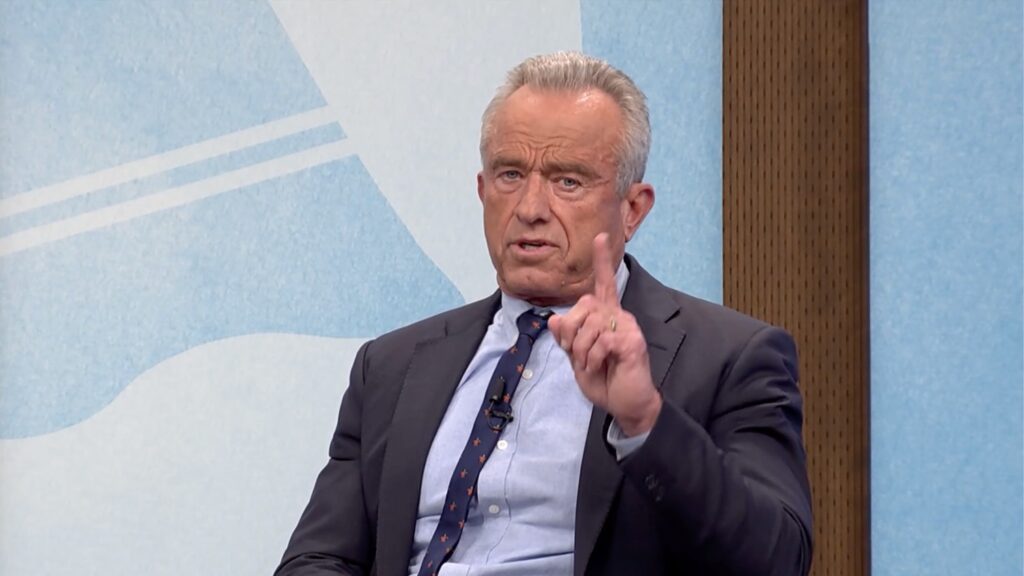
During a Thursday evening forum at the City Club of Cleveland, Health and Human Services Secretary Robert F. Kennedy Jr. told moderator Brad Wenstrup, a former U.S. congressman from Ohio, that 90% of federal spending on healthcare is focused on treating chronic diseases.
👏 Groundbreaking: “We’ve gotten the medical schools to agree to teach nutrition.”@SecKennedy speaks on new standards for medical schools that require 40 hours of nutrition instruction to graduate. pic.twitter.com/RR1b00Awpw
— HHS Rapid Response (@HHSResponse) May 7, 2026
“The chronic disease epidemic, for me, is the biggest crisis that we face as a nation,” Kennedy said, according to a video of the event. “When I was a kid, when I was a little boy, I was 10 years old when my uncle was killed, and during his presidency, we spent zero on chronic disease in this country, and we were the healthiest country in the world.”
“Today, we are the sickest country in the world. We have the highest chronic disease burden of any nation on earth, and it’s bankrupting our country.”
The HHS secretary said that federal agencies have made multiple changes focused on nutrition, including getting medical schools to include nutrition classes in their curriculum, enacting changes to improve military food, and working on definitions and labels for ultra-processed foods.
👏 Groundbreaking: “We’ve gotten the medical schools to agree to teach nutrition.”@SecKennedy speaks on new standards for medical schools that require 40 hours of nutrition instruction to graduate. pic.twitter.com/RR1b00Awpw
— HHS Rapid Response (@HHSResponse) May 7, 2026
Kennedy said that another change the agencies under HHS have made is allowing states to submit waivers to prohibit the use of SNAP benefits for candy and sugary drinks.
“10% of SNAP was going to sugar drinks, and about 8% to candy,” Kennedy said. “So we’re taking the 63 million poorest kids in the country, giving them diabetes, then 78% of them end up on Medicaid, and we’re treating them for the rest of their lives on diabetes.”
The National Library of Medicine reported that 30.8%, or nearly 1 in 3, American adolescents between the ages of 10 and 19 had prediabetes or type 2 diabetes in February.
Ohio received approval to adopt a waiver prohibiting the use of SNAP benefits to purchase sugary carbonated drinks in March. The waiver will take effect later this year.
Kennedy also said that retailers that accept food stamps will be required to double the amount of “real food” available for sale, and that HHS plans to release videos and work with the Commission Corps to provide cooking instruction.
The Rural Health Transformation Program, which passed as part of the Working Families Tax Cuts Act in 2025 and invested $50 billion spread over five years to transform rural health access, was also discussed during the forum.
“Urban hospitals, and especially hospitals, are doing very well in this country,” Kennedy said. “They’re making a lot of money, but the rural hospitals are not; rural hospitals are almost all in trouble.”
“We’ve lost 120 of them over the past 10 years, and when one of those hospitals closes, it absolutely decimates that community, because they’re the biggest jobs in the community, the highest paying jobs. You don’t just lose access to proximate health care, but you lose your community. No business can ever move there because they can’t get access to health care.”
Last year, HHS and the Centers for Medicare and Medicaid Services allocated $200 million to Ohio to invest in rural health care through the Rural Health Transformation Program.
On the $50 billion Rural Health Transformation Program established under @POTUS’s Working Families Tax Cuts legislation:
“It’s a 50% increase in the influx of federal money to those facilities.” —@SecKennedy pic.twitter.com/biq4DC0Xke
— HHS Rapid Response (@HHSResponse) May 7, 2026
During the question-and-answer portion of the event, an audience member asked about studies linking data centers to increases in asthma cases.
“I can tell you this: I’m deeply concerned about the health impacts of the data centers, and you know, I have never read any data about how they contribute to asthma,” Kennedy said. “I would like to see that, but there are other injuries that are very well documented.”
As Ohio.news previously reported, state Reps. Gary Click, R-Vickery, and Kellie Deeter, R-Norwalk, introduced House Bill 646 to create a study commission that would examine the impact of data centers on Ohio.
The legislation was passed by the House in March and is currently being considered by the Senate.
“I can tell you, in my agency, we’re watching it, and I’m doing what I can to make sure that Americans get the best information about the health impact of these kinds of facilities,” Kennedy said.
Kennedy also spoke about visiting Hope Recovery Community in Medina County and said that states have an opportunity to improve rehab outcomes by encouraging value-based models where addiction recovery facilities are paid based on outcomes.