House passes bill applying federal tax cuts to Ohio’s tax code
The state House has passed a bill that would apply federal tax cuts to Ohio’s state taxes following July’s passage at the federal level of the “One, Big, Beautiful Bill Act.”
Senate Bill 9 would conform Ohio’s tax code to federal changes taking effect after March 7, 2025. The House added an emergency clause to ensure that the changes take effect before the filing deadline for the current tax year.
The bill will provide $90 million in tax cuts for Ohio taxpayers and businesses over the next two years, according to a press release from Rep. Johnathan Newman, R-Troy.
“I’m proud that the Ohio House was able to pass this important piece of legislation,” Newman said in the release. “Conforming with Federal tax changes ensures that Ohioans can take advantage of the cost-saving provisions included in President Trump’s ‘One, Big, Beautiful’ bill when they file their taxes – and the emergency clause we passed, ensures that savings can begin this tax season.”
Jacob Flowers, the assistant state director for the National Federation of Independent Business in Ohio, testified in support of the bill during House hearings.
“Conforming Ohio’s tax code with the federal tax structure is a practical operating issue for small businesses,” Flowers said. “Our members do not have in-house tax departments and are unable to absorb additional compliance burdens if the state does not conform in a timely manner.”
“Small business owners consistently report that the complexity of tax compliance and frequent changes in policy drain valuable resources, including time. Additional tax complexity onlycompounds these challenges and diverts attention away from growing their business.”
NFIB successfully advocated for the 20% Small Business Deduction being made permanent at the federal level in 2025, according to Flower’s testimony.
“Simply put, small business owners need predictability to thrive,” Flowers said. “Without conformity, a small business owner may choose to cancel or delay future investment due to the uncertainty it creates.”
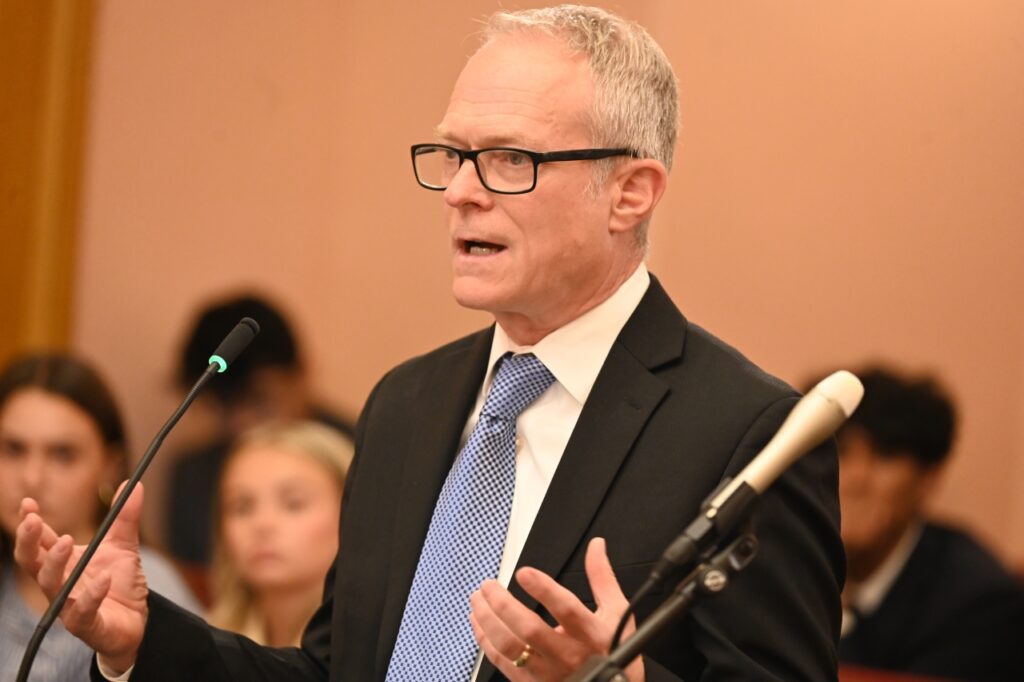
Tim Lynch, a policy director for the Ohio Department of Taxation, also testified in support of the bill.
“In the absence of the enactment of Senate Bill 9, taxpayers would be required to make certain adjustments when filing their Ohio income tax returns to add back into their income any of the adjustments made at the federal level to resolve the discrepancy between current and prior federal law,” Lynch said. “Those adjustments and recalculations would introduce complexity and, thus, potentially create taxpayer errors. They also may increase the amount of Ohio income tax paid by many Ohioans.”
The bill had no opposing testimonies. Aditi Srivastava, a tax policy researcher at Policy Matters Ohio, testified as an interested party.
“While the General Assembly should pass a conformity bill related to federal changes made in H.R. 1, Ohio should decouple from sections that reduce revenue without benefiting the state — and that primarily advantage the wealthiest Ohioans,” Srivasta said.
The bill would increase the amount an individual can claim for the Child and Dependent Care Tax Credit from 35% to 50% of eligible expenses, make the Paid Family and Medical Leave Credit permanent, and expand the potential uses of 529 college savings accounts.
The legislation would also create a new federal tax credit for charitable cash donations to scholarship-granting organizations, increase the amount and types of depreciable property eligible for tax adjustment, allow a full deduction for domestic research and experimental expenses, and increase the capital gains exemption for qualified small business stock options.
The bill was passed by the Senate in February 2025 and was introduced in the House later that month. It will now return to the Senate for a concurrence vote.