How will Amy Acton fund all her campaign promises?
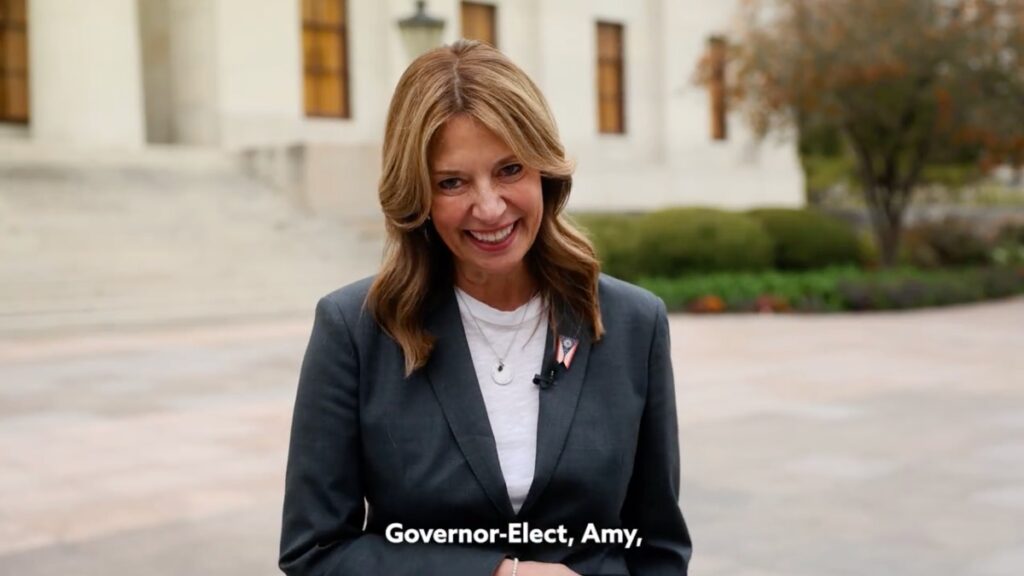
Amy Acton proposed a laundry list of promises while campaigning for governor.
However, her first test will come soon after she is inaugurated, as she must propose a spending plan that will clearly outline her priorities as the state’s first Democratic governor since 2011.
Acton has until March 15, 2027, nine weeks after her Jan. 11, 2027, inauguration, to submit her executive budget proposal to state lawmakers.
“We’re coming in on day one doing executive orders to take immediate effect,” Acton said, Statehouse News Bureau reported. “We’re working on a 100-day plan and a budget.
“We’re coming in with a working families tax cut, a child tax credit. We’re working to alleviate medical debt,” Acton added. “We want to fully fund our public schools. That will take tremendous pressure off our property taxes. But we’re also coming in with a homestead exemption that’s going to expand people that will get some immediate relief.”
From “fully funding” the Fair School Funding Plan to a taxpayer-funded medical debt elimination scheme to providing targeted property-tax relief, questions loom about how the governor plans to pay for her promises. She’s turned to platitudinous liberal talking points like closing tax loopholes for wealthy Ohioans and reducing data center tax exemptions as a way to increase how much money the state collects.
“We’re going to make childcare affordable again,” Acton said at a rally before the election. “We’re going to lower those utility bills, and we’re going to help people age in place with dignity in the homes they’ve been in their whole lives.”
While vague promises make for popular campaign rhetoric, governing requires former candidates to “get down to brass tacks.”
Her gubernatorial opponent, Vivek Ramaswamy, claimed her spending priorities would add $21 billion in spending in her first year in office, though the tally has been disputed. However, Acton’s office did not respond to a request from Ohio.News to clarify what she is expected to ask lawmakers to allocate.
Even before Acton proposes a spending plan, the state’s budget has been ballooning in recent years. According to NASBO, it increased from nearly $93.4 billion in fiscal 2023 to $99.7 billion in fiscal 2024 to $104.7 billion in fiscal 2025.
“I am sure there will be areas where we agree with the incoming governor and areas where we have very different priorities,” Ohio House Speaker Matt Huffman, R-Lima, said in a statement, WCMH-TV reported. “I look forward to sorting through those things, with a focus on making sure that our House Republican Majority Caucus makes the decisions that we believe are in the best interest of Ohioans.”
Bipartisanship may extend in both directions as Republicans lost their supermajority in the state House.
“We’re going to have to play a little bit more team ball as the majority if we’re going to get some of our policies in place,” House Finance Chair Rep. Brian Stewart, R-Ashville, told Statehouse News Bureau.