Ohio drone bill heads to DeWine after lawmakers approve surveillance rules, foreign-adversary restrictions
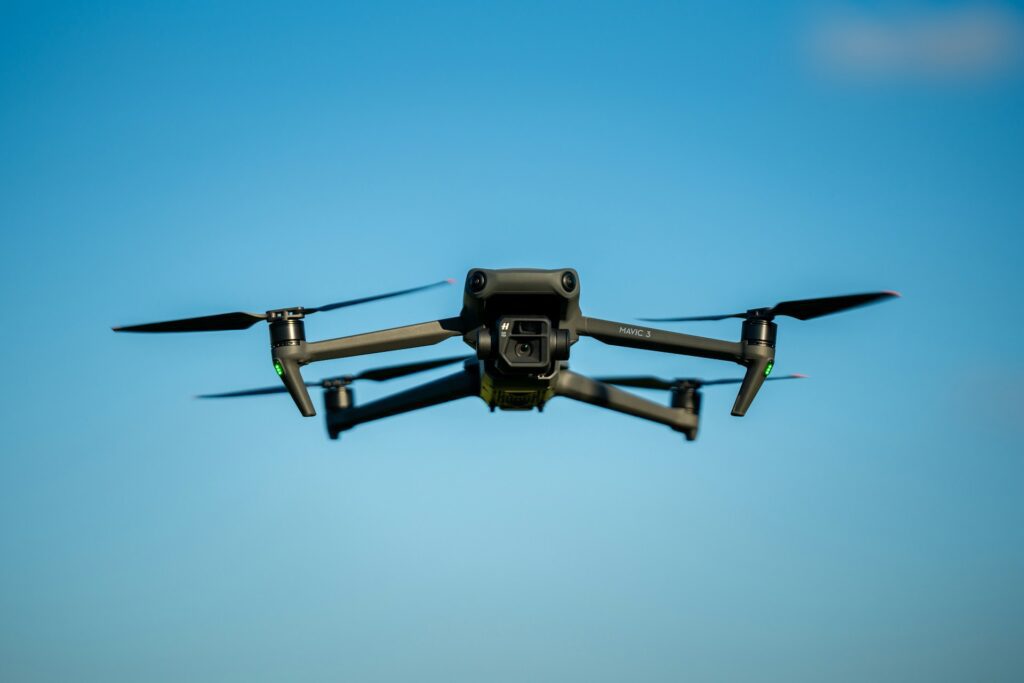
Ohio lawmakers have approved legislation establishing statewide rules for law enforcement drone operations, including warrant requirements for certain surveillance activities and restrictions on drone technology manufactured by foreign adversaries.
House Bill 251 passed the Ohio House and Senate with broad bipartisan support and now awaits action from Republican Gov. Mike DeWine.
The legislation attracted support from both Republican and Democratic lawmakers during its final passage through the General Assembly.
The legislation creates Ohio’s first comprehensive framework governing how law enforcement agencies may use unmanned aerial vehicles, commonly known as drones, while also establishing new restrictions on drone systems manufactured by foreign adversaries and creating public-record requirements for surveillance flights.
Current Ohio law contains warrant requirements for certain aerial surveillance involving manned aircraft, but does not specifically address drones.
Under House Bill 251, law enforcement agencies generally would be required to obtain a search warrant before using a drone to enter or observe the interior of a home or other location where a warrant would otherwise be required for an in-person search.
The legislation also establishes several exceptions allowing warrantless drone use in specific circumstances, including border-security operations conducted within 50 miles of an international border, emergency situations involving imminent destruction of evidence, disaster response efforts, traffic accident investigations, crime scene documentation, and public-safety assessments before large public events.
Law enforcement agencies would also be permitted to operate drones in navigable airspace to observe activity visible to the naked eye and collect information from public areas when there is reasonable suspicion of criminal activity.
The measure requires law enforcement agencies to document surveillance flights and maintain flight records. Those records generally would be considered public records unless they qualify for an existing exemption under Ohio law.
The bill also prohibits law enforcement agencies from using drones armed with lethal weapons.
State Rep. Bernie Willis, R-Springfield, has described the legislation as an effort to balance public-safety needs, privacy concerns and emerging drone technology.
Willis said the measure takes “a balanced and forward-looking approach” to regulating unmanned aerial vehicles used by law enforcement while modernizing Ohio’s aviation laws to address evolving public-safety needs.
“To enhance transparency and public trust, the bill requires that all law enforcement UAV flights be documented and that those records be treated as public documents,” Willis previously said.
The legislation comes as law enforcement agencies across Ohio increasingly rely on drone technology.
The Dublin Police Department is among the agencies that use drones, while officials in Cincinnati have described drones as a force multiplier that allows officers to quickly assess unfolding situations and better allocate resources.
The Columbus Division of Police also operates a drone program, and the DeWine administration has provided grant funding to help some local agencies expand drone capabilities.
Supporters argue that drones can improve officer safety and provide valuable information during emergencies, search operations, crime scene investigations, and disaster response efforts.
The legislation also addresses national security concerns surrounding drone technology.
Lawmakers included the provision amid growing concerns nationwide about government agencies relying on technology manufactured by foreign adversaries, particularly Chinese drone makers that dominate much of the commercial drone market.
Under the bill, public entities would generally be prohibited from purchasing or operating drone systems manufactured or assembled by foreign adversaries after the law takes effect. The Secretary of State would maintain a registry of foreign adversaries using existing federal national-security and terrorism-related designations.
Supporters argue that the restriction helps reduce reliance on foreign technology that could present security risks to government agencies.
The American Civil Liberties Union of Ohio raised concerns about provisions allowing warrantless drone surveillance in certain circumstances, particularly language permitting drones to observe activity visible to the naked eye while operating in navigable airspace. Critics argued the provision could allow broader surveillance than lawmakers intended.
Opponents also warned that replacing existing foreign-manufactured drone fleets could increase costs for local law enforcement agencies, as many departments currently rely on overseas-produced equipment.
If signed by DeWine, the legislation would establish Ohio’s first statewide framework governing law enforcement drone surveillance while imposing new restrictions on foreign-adversary drone technology used by public entities.
Related Stories

Don’t know whether the Democrat is anti-war? Just ‘spitball and improvise,’ Dem organizer says in undercover video

Rep. Michelle Teska urges legislative action to require English proficiency rules amid public safety concerns