Ohio faces a growing crisis as volunteer firefighter ranks shrink
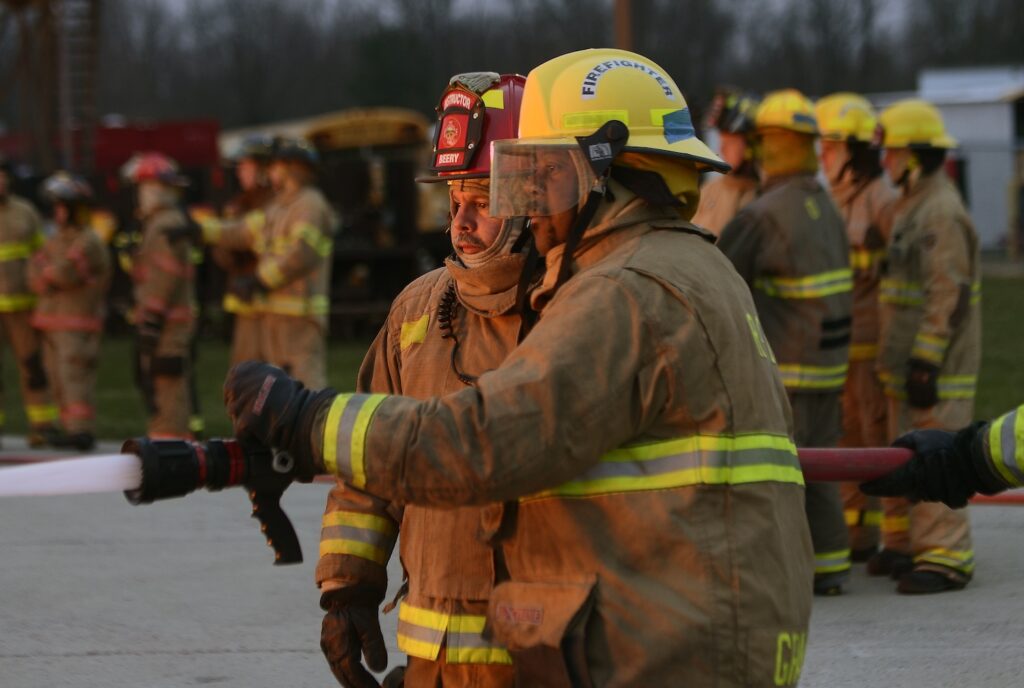
(Ohio Department of Commerce)
Ohio’s volunteer fire services, long a backbone of emergency response across the state, are facing a mounting crisis as many departments are being left understaffed and struggling to protect their local communities, especially in rural areas.
The Ohio Newsroom reported that active certifications have dropped nearly 15 % since January 2020, while call volumes have climbed about 23%. The decline is especially stark in rural communities where volunteers historically filled nearly every role.
Tom Franks of Fayette Village told Ohio Newsroom that when he was young, people lived and worked in the towns, which meant they could run out to extinguish the fire, adding that his and other small communities “will never be able to replace that.”
State Fire Marshal Kevin Reardon also told the news source that some people think volunteering is merely a hobby, but “they’re willing to put down their life for somebody else’s.”
At the same time, younger recruits often view volunteer roles as temporary steps toward paid firefighting careers or as untenable given family and financial responsibilities.
“Why would I do something for free that other people are getting paid to do?” one former volunteer turned career firefighter told the outlet.
According to another report by the Ohio Newsroom, the roots of the problem go beyond simple recruitment. Ohio’s volunteer firefighting system has deep historical roots and was never uniformly structured, leaving many departments without adequate staffing models or incentives, resulting in volunteer services now responding to more complex emergencies with minimal resources.
Training demands also play a role. WGTE reported that volunteers can begin responding to emergencies with a 36-hour certification — far less than the 240 hours typically required of full-time firefighters — yet many departments struggle to balance the need for adequate training with the time commitment volunteers must make.
Duncan Falls Fire Chief Don Alexander told the Ohio Newsroom that “if you take away the 36-hour class that lets them … fight fire, then our lure to get people in there is gone.”
Additionally, volunteers often juggle firefighting with full-time jobs and family responsibilities, which can delay response times and strain limited personnel, the Ohio Newsroom reported. Rural firefighters can see response times exceed 15 minutes because volunteers must first get to the station before responding.
To fix the problem, the Ohio Fire Academy, under the State Fire Marshal, launched a new recruitment portal designed to connect residents with volunteer opportunities and help sustain staffing across local departments, according to Fire Rescue 1.
The Ohio Division of EMS also announced its plans to end the basic 36-hour certification for new volunteers by June 2030, requiring more comprehensive training pathways, according to WOSU. Division of EMS Executive Director Robert Wagoner said the goal is to align volunteer training with higher professional standards.
In addition, Gov. Mike DeWine announced that the state will offer free training classes for volunteer firefighters, WOUB reported.
The state also advanced plans for a new first-responder training center in East Palestine, supported with $20 million in funding from Norfolk Southern and partnerships with Youngstown State University.