Ohio hemp farmers prepare for the 2026 planting season despite the ban, as Ohio lawmakers permanently ban synthetic kratom
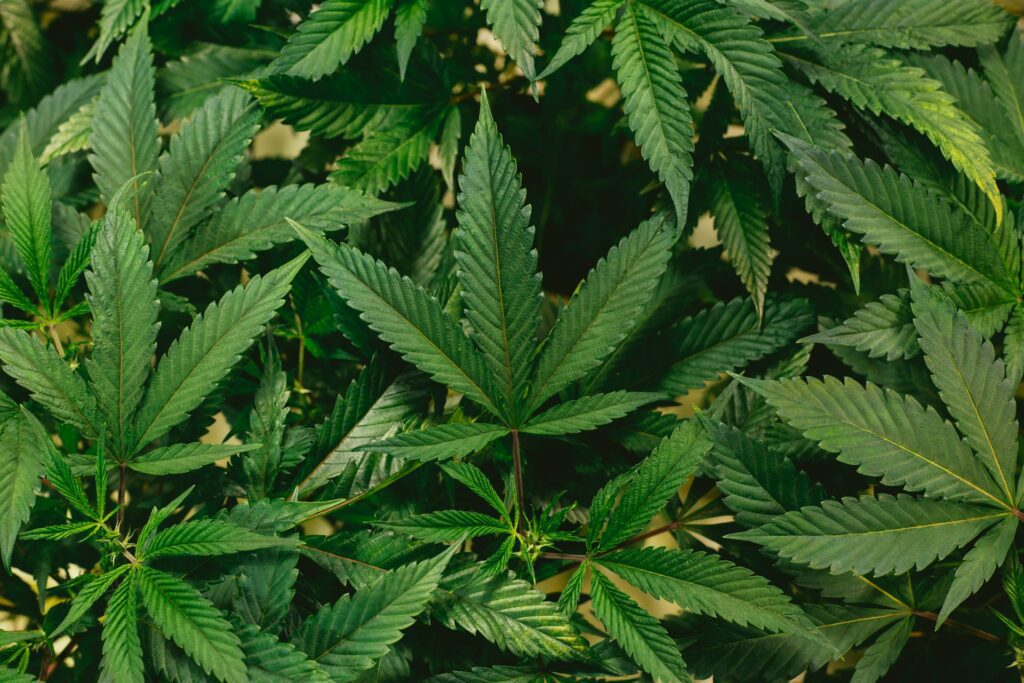
Photo by Jeff W on Unsplash
While hemp farmers in Ohio began preparing for the 2026 planting season despite a state ban on hemp, Ohio lawmakers continue tightening the screws by permanently banning synthetic kratom.
If lawmakers in Columbus don’t reverse the hemp ban passed at the end of last year by November of this year, the farmers will not be able to sell their product, and their industry could become obsolete.
Luke Niforatos, the executive vice president of Smart Approaches to Marijuana, a nonprofit organization that has guided lawmakers on the topic of hemp regulation, told the Washington Examiner that the new law will “effectively ban the vast majority of intoxicating hemp products on the market.”
Hemp industry advocates also told the news source that the law will wipe out 95% of the currently legal hemp products on the shelves for consumers.
Hemp farmers, like fifth-generation Kentucky farmer Jay Grundy, are also sounding the alarm, telling the Examiner that if the course won’t be reversed, they won’t be able to make money. They are still hopeful that there will be positive changes because they have already begun turning the ground for the 2026 planting season.
“We are 100% taking a gamble moving forward,” Grundy told the Examiner. “All the money that I’m spending currently, I could very likely lose here in a couple of months. And that scares me to death. We’re not quite ready to give up yet because there’s still time.”
The Examiner reported that U.S. hemp farmers typically plant in mid-May to early June.
“We’ve actively started at this point,” Grundy told the publication. “Seed harvest has been done. H-2A contracts have been put into place. Both local and H-2A laborers come in around June 1. We’ll be planting around June 15, and then, essentially, from June 15 all the way until Sept. 15, it’s a full-on labor-intensive project.”
Some hemp farmers stockpiled enough harvest for 2026 to avoid the risk of planting this season, according to the news source.
Grundy told the Examiner that he hopes the legislators will prevent the recent law from being enforced as of November of this year by passing at least one of the dozen bills recently introduced in Congress with support from the hemp industry.
Some of those bills range from extending the ban’s effective date to comprehensive reform of the regulatory framework surrounding hemp, according to the news source.
Grundy told the Examiner that he thinks that the bill introduced by U.S. Rep. Morgan Griffith, R-Virginia, has “some very sensible language” because it creates a Food and Drug Administration oversight plan for the industry, giving the federal agency the power to set new milligram limits for hemp.
While farmers and other people in support of the legalized hemp industry are fighting against the recent law, Ohio lawmakers have permanently banned synthetic kratom in Ohio after the Ohio Board of Pharmacy’s new rule cleared its final hurdle, according to The Blade in Toledo.
After hearing testimony from several witnesses on Monday, the Joint Committee on Agency Rule Review, a panel of Ohio House and Ohio Senate members, allowed the rule to take effect, the news source reported.
Synthetic kratom is currently banned in Ohio through an emergency order signed by Republican Gov. Mike DeWine in December, and the permanent ban will replace the emergency rule.
The natural kratom ban is still being considered by the Common Sense Initiative in the governor’s office, Ohio Board of Pharmacy spokesman Cameron McNamee told The Blade.
“As such, we are doing our due diligence in our review of the comments and will review with the board at a future meeting,” McNamee told the Toledo publication. “The natural rule is currently under review by CSI, and they are awaiting our responses to the comments received.”