Ohio lawmakers approve $875 million nursing home payment after court finds Medicaid underpayments
Ohio lawmakers have approved an $875 million payment package after the Ohio Supreme Court ruled the state used the wrong formula to calculate certain Medicaid reimbursements, shortchanging nursing homes by hundreds of millions of dollars.
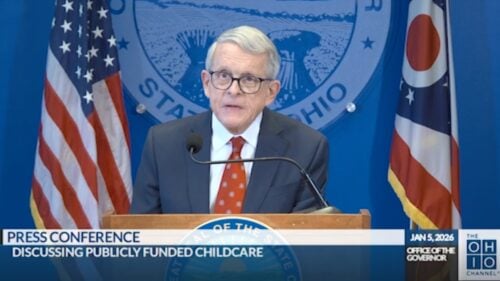
The funding was included in House Bill 479, a budget correction measure approved Wednesday that now heads to Republican Gov. Mike DeWine’s desk. The package is intended to resolve a dispute over nursing home Medicaid payments dating back to the 2024-25 budget cycle.
Lawmakers set aside approximately $875 million to settle the issue, including roughly $310 million in state funding and $565 million in federal funds.
The payment package comes as Ohio lawmakers continue examining Medicaid spending and oversight following a series of audits, fraud investigations and legislative proposals involving taxpayer-funded healthcare programs.
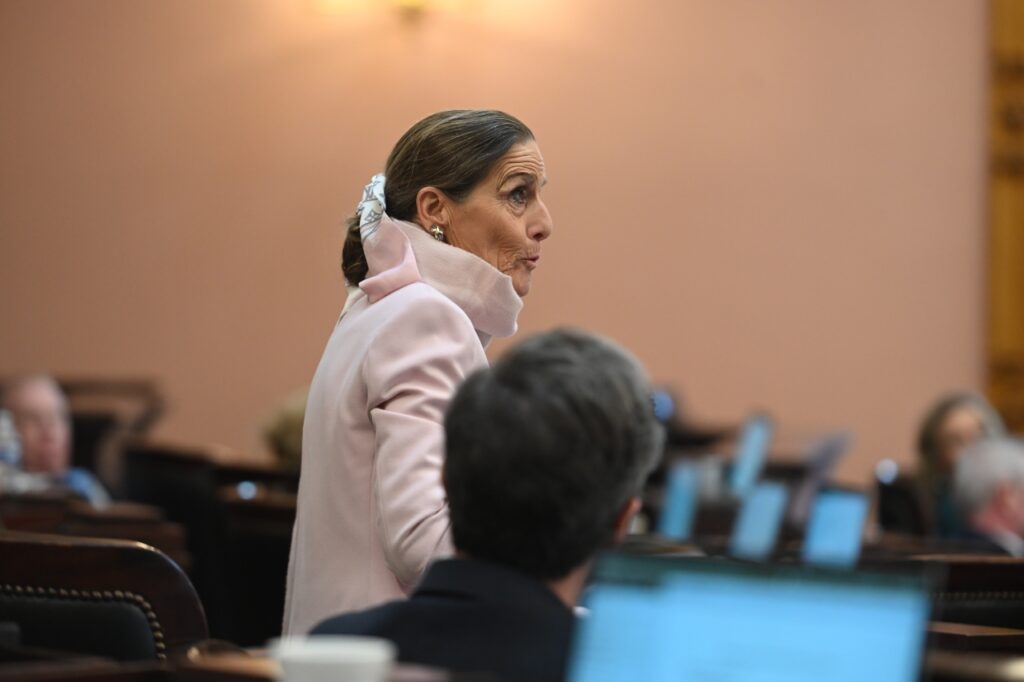
“This is the most egregious thing we could have done to individuals that help our elderly live a quality, comfortable life,” state Rep. Jean Schmidt, R-Loveland, said during debate on the legislation. “And today we are correcting that wrong.”
The legislation follows a September 2025 Ohio Supreme Court ruling that found the Ohio Department of Medicaid used the wrong reimbursement formula when calculating quality incentive payments for nursing homes, resulting in hundreds of millions of dollars in underpayments.
In a unanimous decision, the court ruled that state officials failed to follow a reimbursement formula adopted by lawmakers in the 2024-25 state budget. The justices concluded the department’s interpretation of the law “dramatically shortchanges” the increase lawmakers intended for the nursing home quality incentive payment program.
Ohio has approximately 926 Medicaid-certified nursing homes serving roughly 66,000 residents. Medicaid pays for the care of about 65% of nursing home residents in the state.
Ohio reimburses nursing homes through a daily Medicaid payment rate and provides additional funding to facilities that meet certain quality benchmarks. The dispute centered on how the state calculated increases to those quality incentive payments after updating reimbursement rates through a process known as rebasing.
Nursing home groups argued the Department of Medicaid improperly based the calculation on a narrower pricing metric rather than the broader direct-care cost formula specified in state law. The Supreme Court agreed, ordering the state to recalculate the payments.
The ruling carried major financial consequences for the state.
Court filings showed the Department of Medicaid warned that recalculating payments under the court’s interpretation could cost roughly $285 million more per year than lawmakers originally anticipated. State officials estimated the total cost could approach $1 billion over two budget cycles.
According to court records, nursing home associations argued the disputed formula resulted in approximately $527 million in underpayments during the 2024-25 budget period.
HB 479 is intended to resolve the dispute and satisfy the court-ordered recalculation. Under the legislation, nursing homes accepting the payments would waive future legal claims related to the disputed reimbursement formula.
Scott D. Wiley, president and CEO of the Ohio Health Care Association, urged DeWine to sign the measure.
“These funds are critically important to Ohio’s providers and the families they serve, and we urge Governor Mike DeWine to sign HB 479 into law without delay,” Wiley said.
The dispute has unfolded as lawmakers continue debating broader Medicaid oversight and accountability measures in response to concerns about improper payments and fraud across multiple taxpayer-funded programs. If signed by DeWine, the measure would finalize the state’s response to one of the most costly Medicaid reimbursement disputes in recent Ohio history.