Ohio lawmakers take aim at executive cronyism with bipartisan workforce proposal
A bipartisan Ohio Senate bill aims to overhaul how the state prepares students for the workforce, shifting focus from executive-led economic incentives to broad-based education reforms that proponents say could deliver market-driven prosperity, sidestepping JobsOhio’s perceived opacity.
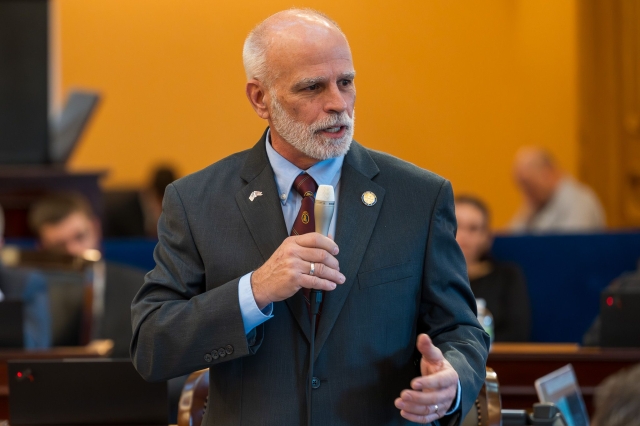
Senate Bill 328, the “Education and Workforce Return on Investment Initiative,” introduced in November 2025 by Sen. Kyle Koehler, R-Springfield, would require middle schools to offer structured career exploration starting in the 2026-27 school year. It mandates personalized academic and career plans for students beginning in eighth grade, establishes consistent statewide career-coaching standards, and creates a cross-agency framework to track education-to-workforce outcomes with greater transparency and accountability.
The bill comes amid ongoing criticism of JobsOhio, the private, nonprofit, state-liquor-profits-funded organization that provides grants, tax credits, and other incentives to attract development. The agency has faced criticism for opacity, limited independent verification of outcomes, renegotiated performance terms, and potential favoritism in deal selection.
Reports have highlighted cases where incentives appeared to subsidize expansions or relocations that might have occurred anyway, or benefited entities with political or insider connections, including board members tied to recipient companies and forgiven loans to politically linked utilities.
The economic development agency faces renewed criticism following the departure of Walter “Ted” Carter Jr. as president of The Ohio State University. He stepped down after he “disclosed to trustees that he had an inappropriate relationship with someone,” later identified as a podcaster JobsOhio paid $60,000 to for four episodes.
Now, SB 328, which received proponent testimony during a March 3 hearing before the Senate Education Committee, has garnered support from business groups, educators and workforce advocates who argue it addresses root causes of Ohio’s workforce challenges – skill mismatches, underemployment and stagnant population growth – more effectively than subsidy-driven job creation.
Evan Callicoat, director of state policy for the Ohio Farm Bureau Federation, testified that the bill represents a forward-looking investment in human capital.
“Our organization believes that the better we can prepare our students for the workforce, the better off those students and our state will be in the future,” Callicoat said in his written testimony, “SB 328 will allow Ohio’s students to be earlier and better prepared for their careers and ensure the programs serving our students are the best use of taxpayer dollars.”
Callicoat also highlighted the bill’s emphasis on early exposure to diverse pathways, including agriculture and in-demand fields, while reinforcing data-driven accountability to measure return on investment for public programs.
Ohio Excels, a key convener of the Career-Connected Learning Coalition that helped shape the bill, echoed the call for structured preparation. Cassie Palsgrove, vice president of strategic partnerships and government affairs at Ohio Excels, and Kevin Duff, the group’s executive vice president, provided proponent testimony, highlighting the bill’s role in aligning education with labor market needs through better data linkages and stakeholder tools.
“At its core, SB 328 is about improving economic mobility for Ohio’s students,” they said in the prepared testimony. “If we are honest, many of us know people close to us — maybe even ourselves — who moved through middle school and high school without a clear sense of what could possibly come next. Maybe they assumed college was where they would ‘figure it out.’ They got there… and realized it wasn’t the right fit. They left after a year or two — and now are carrying debt for an experience that didn’t align with their interests or aptitudes.
“…That’s not a student failure. That’s a systems failure,” they added.
Alexis McCullough of THK Manufacturing of America Inc., testifying on behalf of the Ohio Manufacturers’ Association, urged lawmakers to advance the bill, noting that workforce shortages remain manufacturers’ top constraint.
“Manufacturers … urged lawmakers to advance Senate Bill 328, legislation aimed at strengthening Ohio’s education-to-workforce alignment through expanded career exploration, improved coaching consistency and greater transparency on workforce outcomes,” the association said in a March 6 release summarizing McCullough’s testimony.