Ohio Narcotics Intelligence Center says dangerous substances are showing up in state’s drug supply
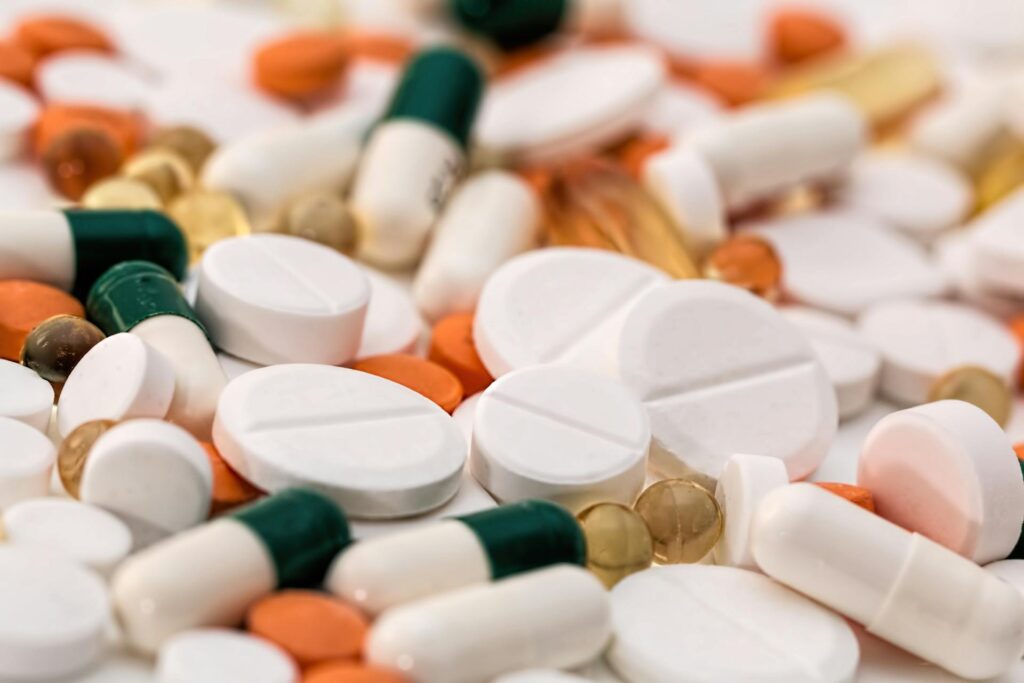
Photo by Pixabay: https://www.pexels.com/photo/close-up-photo-of-medicinal-drugs-159211/
Dangerous substances are showing up in Ohio’s drug supply, and officials said they could result in a potential risk of overdose and death.
“The drug landscape is always evolving and currently contains dangerous and unpredictable polydrug mixtures,” Ohio Department of Public Safety Deputy Chief of Staff Cynthia Peterman said in a release. “People may think they are taking one substance, when it could be something else entirely, something much more dangerous and potentially fatal.
The Ohio Narcotics Intelligence Center, which was created following a July 2019 executive order by Republican Gov. Mike DeWine, released two public safety bulletins outlining the substances. It is a specialized criminal intelligence unit within the Ohio Department of Public Safety.
ONIC, which has offices in Cincinnati, Cleveland, Columbus, and Toledo, helps local authorities in conducting intelligence-driven drug trafficking investigations. Its criminal intelligence analysts and computer forensic specialists help law enforcement agencies and drug task forces across the Buckeye State.
The first bulletin calls out so-called “orphine analogs.” Orphines are a subgroup of new synthetic opioids that are being found in seized drug samples and suspected overdoses across the state.
NSOs are synthetic drugs that mimic the effects of controlled opioids like morphine and fentanyl. They are dangerous because of their potency and can disrupt breathing and the central nervous system, increasing the likelihood of an overdose.
The second bulletin alerts to medetomidine and xylazine, synthetic veterinary sedatives that, while not approved for use in humans, are prevalent in Ohio’s drug supply. Veterinary sedatives not only cause sedation, but they can also induce life-threatening effects, potentially complicating overdose response and emergency care.
Numbers from the Ohio Department of Health reveal that in 2024, 2,931 Ohioans died as a result of an unintentional drug overdose. The agency said that fentanyl or fentanyl analogs were involved in 69% of such deaths in the state, and they were often combined with other drugs.
Between 2023 and 2024, the state saw a 34% decrease in the number of Ohio unintentional drug overdose deaths. During that same timeframe, nationally, there was a 25% decrease.