Ohio State wants to dismiss about a third of the Strauss-related sex abuse lawsuits
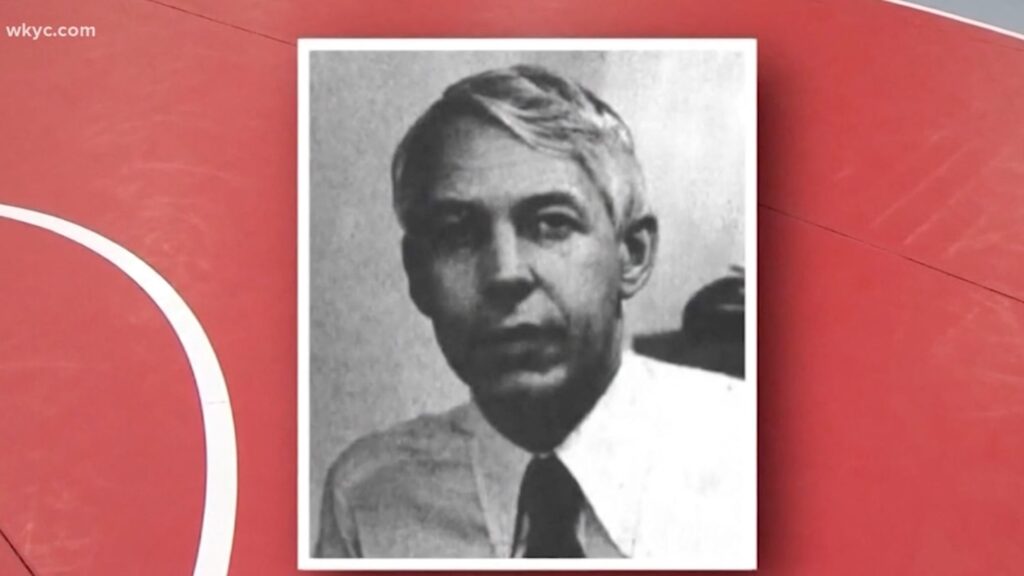
The Ohio State University has filed a motion to dismiss about a third of the remaining claims of the former students who are suing the school for not protecting them against sexual abuse by the then-campus doctor Richard Strauss.
Attorney General Dave Yost wrote on behalf of Ohio State, saying that 43 of the cases should be dismissed “in whole” because the alleged abuse happened before Oct. 21, 1986, which is the date when Congress passed a law that allows states and their colleges and universities to be sued in federal court for not preventing sexual abuse of their students, according to NBC News.
“These are all of the discovery plaintiffs whose alleged violations occurred prior to October 21, 1986,” Yost wrote in a Sunday motion in the Southern District of Ohio, the news source reported.
Yost also said that another 34 cases should be dismissed “in part” because some of the alleged cases of abuse happened before Oct. 21, 1986, adding that the cases that allegedly happened after that date could remain as part of the lawsuit against the OSU.
Yost, who announced last week that he will leave his current job to join Alliance Defending Freedom as vice president of strategic research and innovation, filed the motion just days after 30 former Buckeye football players, including more than a dozen former National Football League players, signed engagement letters to join the class action lawsuit against the university.
NBC News legal analyst Danny Cevallos said that the university might be able to legally remove some of the people from the lawsuit, citing the federal law.
“Each allegation of abuse is treated individually, and if the allegations predate October 21, 1986, an argument can be made that they should be dismissed from the case,” Cevallos said, according to the news source.
Boston-based lawyer Mitchell Garabedian agreed with Cevallos, telling NBC News that “if the sexual abuse occurred before the law was enacted, the claims might be dismissed if the applicable law did not allow a ‘look back window’ to include those claims.”
“If a survivor was sexually abused both before and after the enactment of the law, then the sexual abuse, which occurred after the law was enacted, would probably still stand and not be dismissed,” he said.
Garabedian, however, acknowledged that even though it makes sense from the purely legalistic perspective, it doesn’t make sense to dismiss the pre-dated alleged cases of sexual abuse from the moral perspective, saying that this kind of “legal maneuvering is just another example of why a civil statute of limitations must be amended to include claims which pre-date the enactment of a law.”
“Ohio State University should at least set a moral example and settle all claims so that survivors may obtain a degree of validation,” he said.
OSU previously settled with 317 survivors, including some former football players, by paying them more than $61 million and publicly apologizing “to each person who endured” abuse at the hands of Strauss, who committed suicide in 2005.