
Renee Vaughan: ‘Local control to me means letting your local jurisdiction decide zoning’
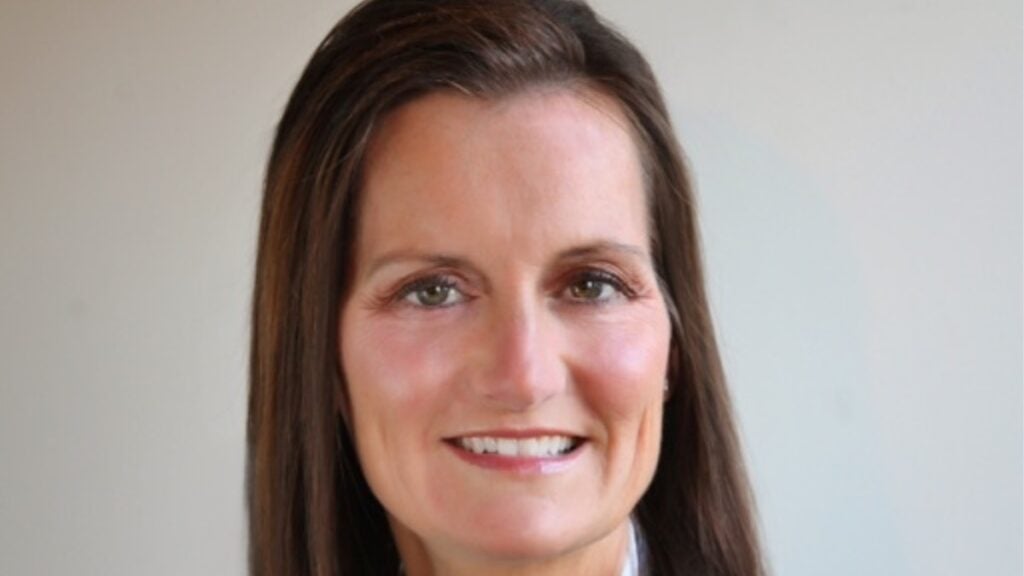
ORANGE TOWNSHIP — When Renee Vaughan goes door-to-door campaigning for Delaware County commissioner, it’s quickly apparent which issues are top of mind for voters.
“I say I’m running because taxes are too high, schools are overcrowded, and traffic is terrible,” Vaughan, a Republican, told Ohio.News.
“Tax is number one,” Vaughan said. “People, I hear all the time, are being taxed out of their house; their tax bill is bigger than their mortgage. That’s not right, and it really happened during the last assessment. … 2023, they did a full reassessment, and everybody’s property taxes just skyrocketed.”
School taxes, Vaughan said, are driving the spike. Ohio has a complicated history with school taxes and funding.
In 1997, the Ohio Supreme Court ruled the state’s school funding system unconstitutional in a case known as DeRolph v. State. Lawmakers have attempted multiple fixes over the years, including the so-called Cupp-Patterson Fair School Funding Plan.
While some leaders want to increase residential construction to solve what they say is a need for more tax revenue, Vaughan sees commercial development as the solution.
“I also say our high property taxes fall back to development because as our county has developed, taxes have just gone up and up and up and up,” Vaughan said. “People say, ‘Oh well, we need to build more houses to reduce taxes.’ No, as you build more houses, they go up because of safety services.
“…We need more commercial,” Vaughan said. “That will offset our tax base. Businesses pay taxes, but they don’t add students to the school system; they don’t tax your emergency services with fire and police.”
In many ways, Delaware County is the perfect case study of the challenges facing growing Central Ohio communities. While many cities in Ohio have struggled with population loss in recent decades, Columbus and its suburbs have bucked the trend in what has been called a “tale of two states.”
“Delaware is, I feel like, getting the brunt,” Vaughan said. “We can keep saying we need to grow, growing communities, our healthy communities, and Columbus needs more housing. We need, we need, we need.
“And all I hear is Delaware County should solve it all,” Vaughan added. “And I say that the Columbus area has a lot of geography, and why does it all have to happen here?”
As development encroaches on more rural or less urban areas of the state, the proliferation of data centers remains a major issue confronting leaders. Data center construction has led to significant blowback in communities across Ohio.
According to the SAVRN Data Center Map, Delaware County has four tracked data centers. For Vaughan, data centers show how community preferences and location matter.
“Local control to me means letting your local jurisdiction decide zoning,” Vaughan said. “We don’t want the state to say, ‘Data centers, you have a blanket okay to build wherever you want.’ We have a plan for our local governments, most of us.”
And despite anyone’s best efforts, growth is happening.
“You cannot stop it, but you can control it, and you can guide it,” Vaughan said. “And that, I think, is key to Delaware County’s future. We need to develop the right way. I always say, location, location, location, right? People may want commercial. They may want data centers. But the right location — that is key.”
Related Stories
No news stories found.