Sen. Brian Chavez emerges unscathed as far-left takes big ‘L’ amid failed attempt to smear lawmaker
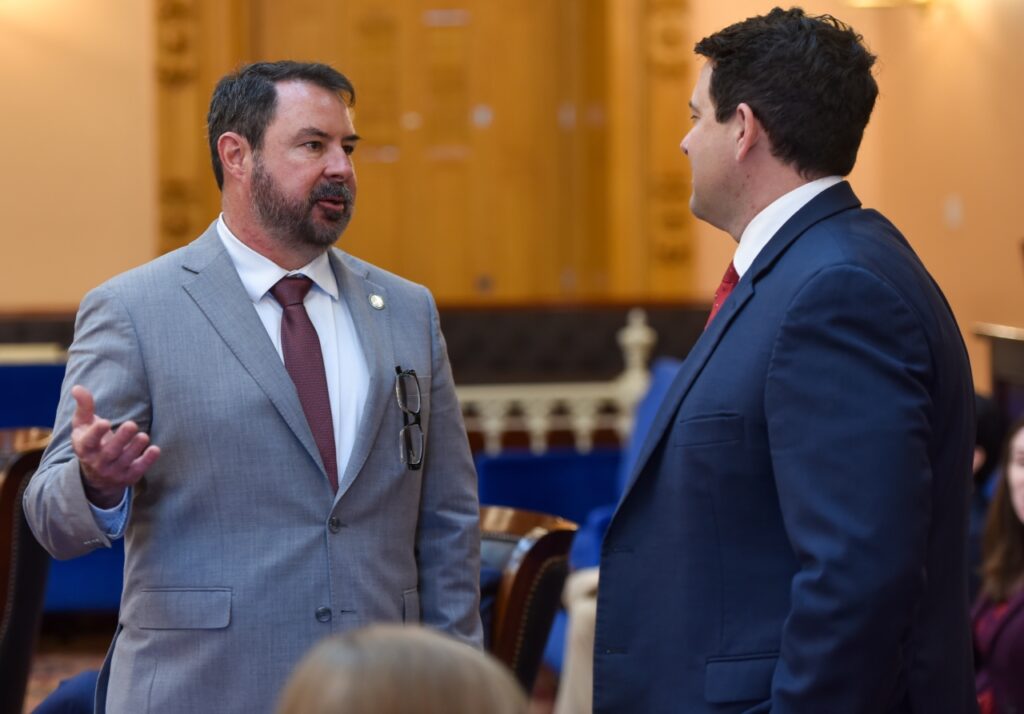
Sen. Brian Chavez, R-Marietta, has emerged largely unscathed from a media frenzy whipped up by a “special interest smear campaign” that all fizzled out faster than a bad fracking joke.
An ethics complaint filed Jan. 20 by Washington County for Safe Drinking Water — cheered on by the usual suspects like Buckeye Environmental Network and Sierra Club affiliates — erroneously accused the Senate Energy Committee chair of playing hide-and-seek with his family’s oil-and-gas holdings while steering legislation in their favor.
The 20-page hit-piece claimed Chavez conveniently omitted ownership stakes in at least five LLCs tied to drilling, well servicing and wastewater disposal on his 2023 and 2024 financial disclosures. Exhibit A in the drama: his family’s Chavez Well Service, which has bid on orphan well plugging contracts since his December 2023 Senate appointment and actually landed one.
Critics howled that Senate Bill 219 — Chavez’s reform bill to update Ohio’s orphan well program with fiscal safeguards and environmental protections sans new regulations — would somehow benefit him directly.
Cue the manufactured outrage from the left: conflict of interest, abuse of office, the whole predictable playlist played out across Ohio’s headlines without perspective or even context.
For perspective, Ohio’s Orphan Well Program has been on a tear lately, thanks to state dollars and a fat federal check from the Infrastructure Investment and Jobs Act.
Over the past five years, the state has awarded contracts covering roughly 1,200 orphan wells, pulling from a $57.7 million pot of funding. That’s hundreds of competitive bids, worth millions of dollars, awarded to dozens of qualified contractors statewide.
Amid that, Chavez Well Services snagged exactly one contract for around $200,000 — not exactly cornering the market. Yet, that one contract out of thousands was apparently enough to inspire a 20-page manifesto from the Buckeye Environmental Network, which received nearly $500,000 in funding from California special interests to run the smear campaign.
The Joint Legislative Ethics Committee disagreed with the NGO’s version, and after the mandatory 14-day review window expired without so much as a raised eyebrow, the complaint died a quiet death.
Yet the damage has apparently been done, as SB 219 now looks lifeless in committee.
For context, the bill — which redirects certain injection well fees for long-term savings, placing a guardrail on funding raids — merely directs the Ohio Department of Natural Resources to prioritize plugging orphan wells near active injection wells. Modernizing outdated rules, SB 219 directs ODNR to focus on capping wells that pose the greatest risk of brine seepage into groundwater, while streamlining landowner notifications for faster reimbursements, and requiring public notice of plugging projects via ODNR’s website or local papers.
According to a spokesperson for the senator, the baseless attack by the “who’s who of the elitist, entitled, and always offended,” was a failed publicity stunt to sow discontent.
“This failed publicity stunt was nothing more than a libelous smear campaign against a respected State Senator that was backed by California special interests dead set on killing the oil and gas industry in Ohio,” said the Senate’s Director of Communications, John Fortney. “They don’t care what they say — they want to whip people into hysterics with campaigns designed to destroy an industry and rip apart a community.”
Without sequel complaints materializing, the senator’s biggest headache likely stems from the occasional eye-roll from green groups still smarting over their failed takedown. Yet, the fact that SB 219 lingers in legislative limbo feels like a shocking admission that so-called “green” groups will stop at almost nothing to halt fiscally sound environmental policies.