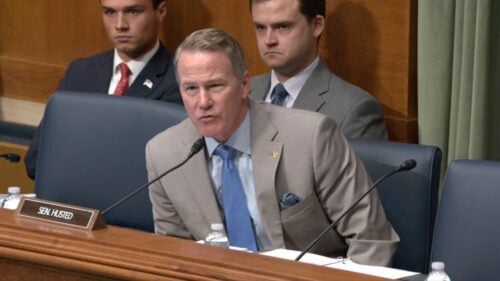
Senate Democrats kill Sen. Jon Husted’s Ratepayer Protection bill ahead of midterms
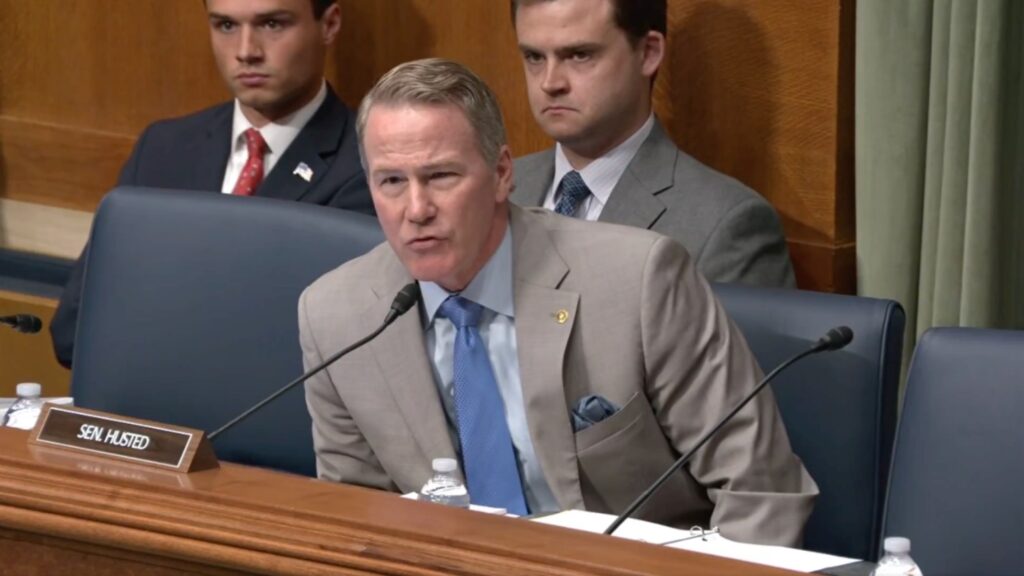
A New Mexico Democrat on Thursday blocked U.S. Sen. Jon Husted’s effort to pass legislation aimed at keeping Ohio families from paying for Big Tech’s power bill.
The House passed my Ratepayer Protection Act 417-3, displaying overwhelming bipartisan support.
I just brought it up for passage in the Senate, asking my colleagues to stand up for Americans and help lower costs for hardworking families like the House just did—and Senate…— Senator Jon Husted (@SenJonHusted) September 17, 2026
The Ratepayer Protection Act cleared the U.S. House a day earlier with support from 206 Democrats and every Republican who voted. Only three House members, aligned with the Democratic Socialists of America, voted no.
Husted, R-Ohio, then asked the Senate to pass the same bill by unanimous consent. Sen. Martin Heinrich, D-New Mexico, who recently won re-election on a platform of increasing centralized federal control, was the lone objector.
The proposal would require state regulators to consider rules that make large data centers — facilities using 100 megawatts or more — pay the full extra cost of new generation and grid upgrades.
That core language states that any rate charged to such a customer “shall be designed to recover from the large-load customer the full, incremental cost of any generation, transmission, or distribution upgrade necessary to serve” that load.
Utilities would also have to get financial assurances from those data center customers before building out the infrastructure.
The House passed the Ratepayer Protection Act by a 417-3 margin. While states regulate utility rates, Congress can require state regulators to consider standards designed to shield average users from large-load costs.
Heinrich told reporters that the bill’s language lacked “real teeth.” Republicans, calling foul, say the objection was political.
DC Democrats just blocked @SenJonHusted’s bill that would have held data center builders responsible for their own energy and prevent homeowners and small businesses from seeing their electricity prices go up. The House had passed it by an almost unanimous vote yesterday!
Why?… pic.twitter.com/7WYMXqhCl6
— Bernie Moreno (@berniemoreno) September 17, 2026
Pointing out that 206 House Democrats voted for Husted’s Ratepayer Protection resolution, which passed the House with “overwhelming bipartisan support,” Republicans took to X Thursday afternoon to voice frustration over giving Big Tech a free pass as household electric bills climb.
“Make no mistake: the real reason Senate Democrats blocked Senator Jon Husted’s effort to protect hardworking families from being stuck with the bill for Big Tech’s massive energy demands is because they want to squeeze Ohio families for political gain,” RNC spokesman Hunter Lovell said. “While Senator Husted is fighting to keep energy costs off the backs of Ohio families, Democrats shamefully stood in the way.”
Husted faces former Sen. Sherrod Brown in November. Data-center costs have become a campaign issue in Ohio, where electricity rates have risen as new facilities come online.
Related Stories

Columbus man pleads guilty to COVID relief fraud as DOJ targets $245 million nationwide
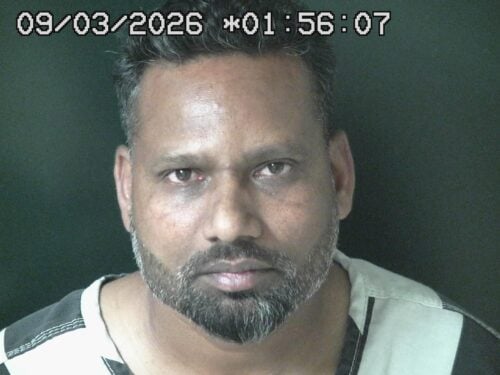
Indian trucker with CDL from California Charged with killing West Union mother in head-on collision