Yost certifies a proposed amendment to ban data centers
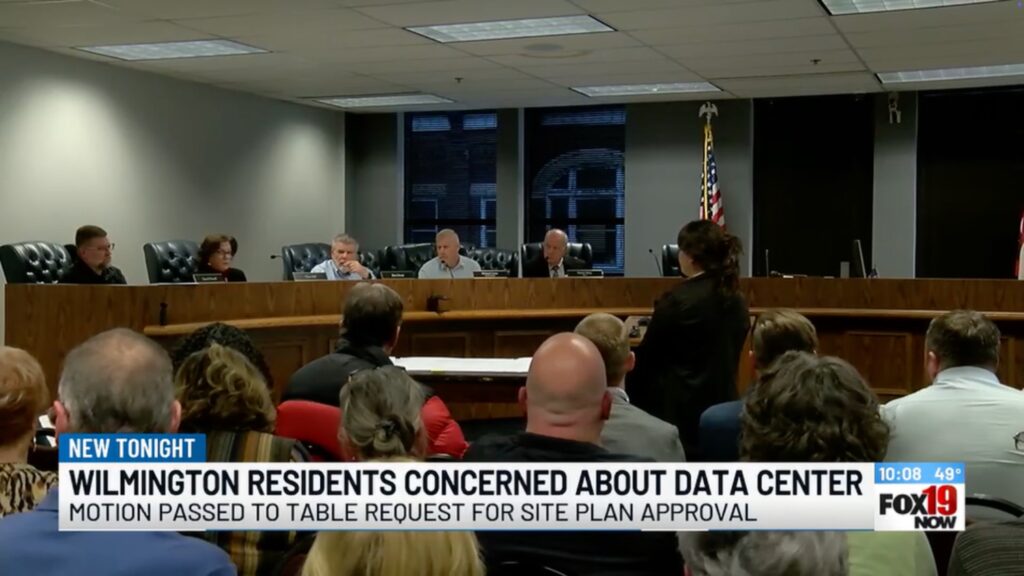
Data centers for Big Tech companies are facing pressure in the Buckeye State once again after Ohio Attorney General Dave Yost certified the petition title and summary for a proposed anti-data center amendment on Thursday, and after state Democratic lawmakers introduced legislation on Tuesday to make data centers accountable, too.
Yost certified the petition title and summary for a proposed constitutional amendment submitted on March 16, according to the Ohio Attorney General’s Office. The petition was titled “Prohibition of Construction of a Data Center,” which seeks to add Section 36a to Article II of the Ohio Constitution.
“The title and summary are fair and truthful statements of the proposed initiated constitutional amendment,” Yost wrote in the response letter sent to the petitioners. This certification “should not be construed as an affirmation of the enforceability and constitutionality of the proposed amendment.”
After the certification, Yost will then file a verified copy of the constitutional amendment and its certification with the Ohio Secretary of State Frank LaRose, according to the press release. The petitioners will then need to “collect signatures from registered voters equal to at least 10% of the vote cast in the most recent gubernatorial election, and those signatures must come from voters in at least 44 of Ohio’s 88 counties, and for each of those counties the number must equal at least 5% of the vote cast in the most recent gubernatorial election,” the press release added.
If sufficient signatures are verified by LaRose at least 65 days before the election, the full text of the proposed amendment will be placed on the ballot in the next regular or general election that will take place 125 days after the filing of the petition, according to the press release.
Days before Yost’s certification, state Reps. Christine Cockley, D-Columbus, and Crystal Lett, D-Columbus, introduced legislation that would require data centers to report monthly and annual water consumption and prohibit them from including water consumption information in nondisclosure agreements with political subdivisions, according to a press release from lawmakers.
“Transparency around data centers’ water usage is essential in making informed decisions,” Cockley said in the release. “This legislation gives us the tools to measure consistently and honestly.”
Lett agreed with her colleague, saying that her “constituents have made it clear: if data centers are coming into our communities, they must be good neighbors.”
“This legislation sets a firm foundation to ensure communities and developers fully understand the real impacts of these facilities. I support innovation and economic growth, but it will not come at the expense of transparency and accountability to the public,” Lett said.
The press release said that the bill is now waiting for a number and referral to a House Committee for further consideration.
The recent pushback against data centers by Democratic lawmakers is unusual because, thus far, it has been mostly Republican lawmakers and Ohio residents who opposed building data centers in Ohio.
The desire of the lawmakers and Ohio residents came after it was revealed that data centers might cause rare cancers and miscarriages, send their wastewater into state lakes, drive up electricity costs, and receive tax abatements.
Related Stories

DeWine issues order allowing Ohio Colleges to offer 2022 athletes a fifth year and access to NIL opportunities

Undercover video shows Ohio Dem canvassers being taught to lie to voters about Flock cameras