Ohio distributes $1 million to 22 counties to make land use and farmland preservation planning
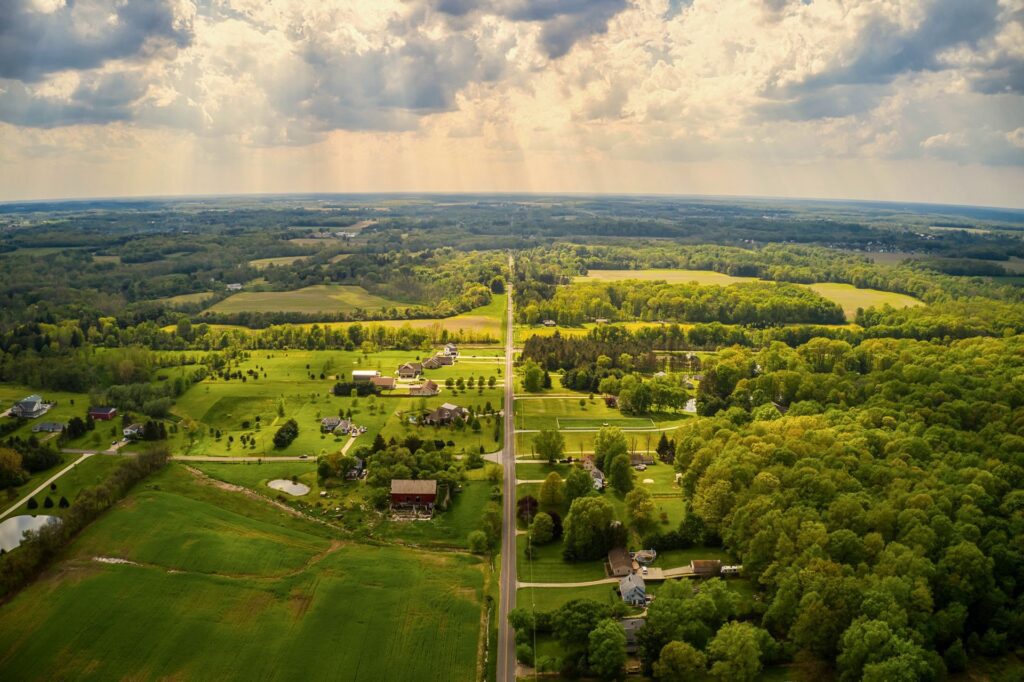
The state has invested $1 million to help 22 counties develop or update plans that balance development with agricultural preservation after it was previously revealed that the Buckeye State lost approximately 1 million acres of productive farmland.
The Ohio Department of Agriculture launched the Land Use Planning Grants program at the end of last year, according to a release from the department.
The state awarded amounts ranging from $25,000 to $50,000 per county, with The Mansfield News Journal reporting that Richland County would receive $50,000 and The Marion Star reporting that Marion County would receive $35,000.
The counties that received money from the government, like Richland and Marion, will use the funds to guide future development while safeguarding the existing agriculture.
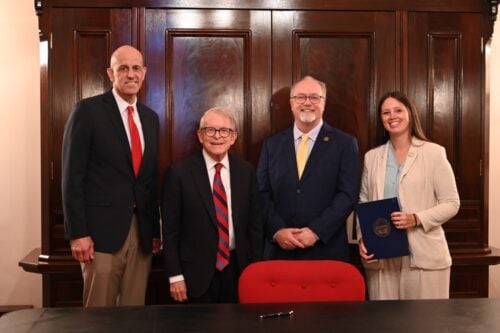
The funding, included in the state operating budget signed by Republican Gov. Mike DeWine on June 30, 2025, supports counties in creating, updating, or implementing land-use or farmland-preservation plans, according to WOSU Public Media.
In a December 2025 press release, the government officials wrote that food and agriculture remain Ohio’s top industry, contributing $124 billion to the local and state economies annually.
“Ohio truly helps feed and fuel the country,” ODA Director Brian Baldridge said in the release. “Our state is set up for success because we look out for one another. Farmers understand that better than anyone, as we take care of the land, take care of our families, and take care of our communities. This grant will plant the seeds of success for local governments as they ensure their boundaries preserve the past while harnessing the possibilities of tomorrow.”
Baldridge told WOSU that the Ohio General Assembly “saw the need” for the grants “as well, realizing that Ohio is growing in so many different areas, but we have to plan for that growth.”
According to the press release, land use plans are guides for local governments, weighing economic, social, and environmental factors to determine the best utilization of land, while farmland preservation plans protect productive agricultural land from conversion while supporting farmers economically.
“Bottom line, we went from about 14.5 million acres of productive farmland to 13.5 million acres of productive farmland. So as we think about preserving farmland, we just have to make sure there’s a vision and a plan,” Baldridge told WOSU. “It is a working document. It should be referenced as growth occurs, as local communities and local governments plan for the future. It’s a reference guide to help guide the direction of economic development growth here in Ohio.”
In his comments to WOSU, Baldridge said that the initiative feels personal to him, remembering his job as a county commissioner in Adams County in 2008.
“There was this grant opportunity that was out there, same type of thing for counties to either dust off or put in place a land use plan for the county,” he told the news source. “So as we talked about farmland preservation and the big picture here in Ohio, it was one of our priorities at the Department of Agriculture that we put into the budget.”