Ohio leads nation in local data center ballot fights amid legislative stalemates
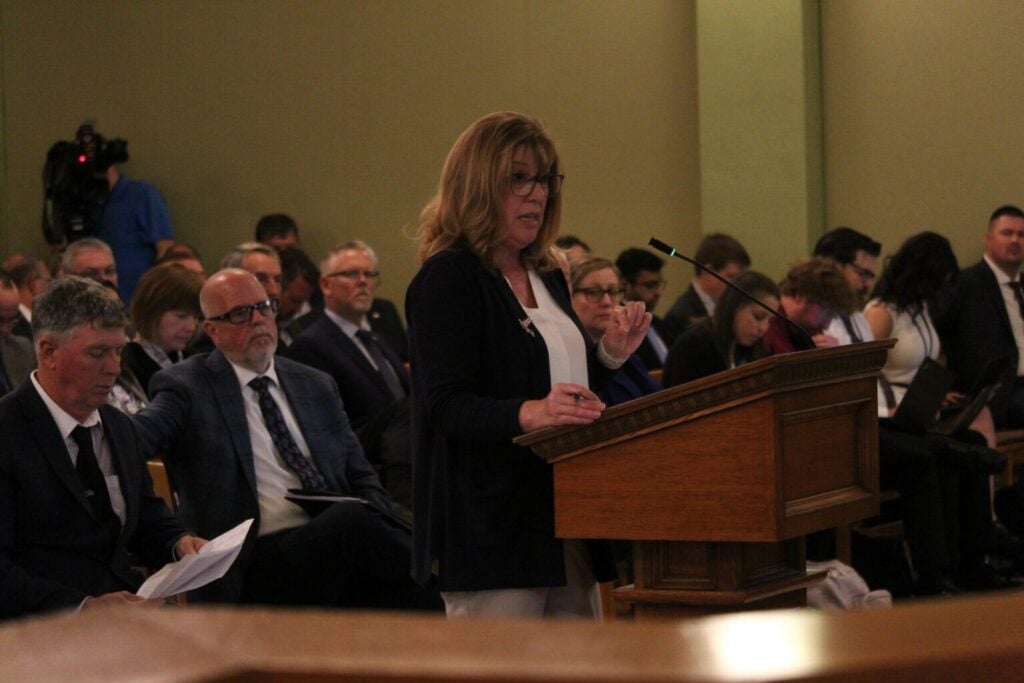
Ohio voters will determine the fate of data centers in the state, following legislative stalemates, a line-item veto from Gov. DeWine, and regulatory uncertainty at the local level.
According to Ballotpedia, Ohio voters will subsequently face more local data center measures this year than any other state.
As data centers eye rural Ohio for cheap land, Rep. Brian Stewart wrote “zoning and land use is a local decision… As State Representative, I have no vote in that.”
With concerns over health, power costs, and environmental impact growing, the fight is playing out town by town,…
— Ohio.news (@RealOhioNews) January 13, 2026
Ballotpedia reported that voters in eight states will face 38 local measures on data centers in 2026. In Ohio, land use, zoning and siting are decisions made at the local level, and according to BallotPedia, 17 Ohio jurisdictions will decide on more than half of the nation’s total ballot questions about data centers this year.
While all of Ohio’s ballot questions will likely be decided in 2026, only 18 will be decided by local residents on the November 3 ballot following court actions.
Ohio Supreme Court blocks Wilmington data center ballot measure; residents vow to try again pic.twitter.com/xrhujco2ov
— WCPO 9 (@WCPO) September 22, 2026
On Sept. 18, 2026, the Ohio Supreme Court ruled the citizen zoning initiative in Wilmington could not appear on the Nov. 3 ballot because it included a private right to sue data centers. Organizers say they will try again. Meanwhile, three data-center petitions appear to be headed to a special election after the Supreme Court said the Sidney City Clerk illegally blocked them from the Nov. ballot.
The Ohio Supreme Court ordered Ashville to send a CITIZEN-LED referendum petition over a proposed EdgeConneX data center project to the Pickaway County Board of Elections.
Residents are seeking a public vote on plans for TWO data centers and a natural gas power facility as… pic.twitter.com/mjNsb3XQEa
— Ohio.news (@RealOhioNews) August 12, 2026
The remaining measures from Conneaut and Defiance to Granville, Grove City, Ashville, and Sunbury range from outright bans on large facilities to voter-approval requirements, zoning fights, and a referred advisory question.
Ohio communities are taking VERY different approaches to data centers👇
🔴 Cleveland: Approved a temporary moratorium while city leaders study the long-term impacts.
🔴 Grove City: Enacted a 12-month moratorium as residents push for greater oversight through a ballot… pic.twitter.com/B9rnkAnpCG
— Ohio.news (@RealOhioNews) July 27, 2026
The local surge comes after years of state incentives that have drawn Amazon, Meta, Google, Microsoft, and others to Ohio, which ranks among the top states for data-center inventory.
Those incentives include a sales-and-use tax exemption on equipment. Created in 2013, the sales-and-use tax exemption was projected to cost about $136 million in fiscal 2025. However, as the actual figure approached $1.6 billion, it has drawn bipartisan scrutiny and pushback.
Lawmakers tried and failed to lock guardrails into the 2025-26 biennial budget, only to face a veto from Gov. DeWine. Before the summer recess, Republican lawmakers tried again with House Bill 646, which would have cut future sales-tax breaks to 50 percent in most cases – 75 percent for brownfield sites or projects that bring their own power – capped local property-tax abatements at 50 percent, created a PUCO data-center rate class so grid costs are not shifted onto households, limited nondisclosure agreements, and required water reporting.
The bill stalled in the Senate over how far to go on taxes. Separate legislation offered by Democrats, including House Bills 957 and 999, would ban future property-tax abatements for data centers outright.
American Electric Power can charge data centers differently for the power they use, thanks to a ruling by the Public Utilities Commission of Ohio.
Read the full story in the comments. pic.twitter.com/CIwrLuPkCe
— Ohio.news (@RealOhioNews) September 15, 2025
Recently, the PUCO approved a differential rate class, allowing AEP Ohio to charge data centers differently from residential users for the power they use, adding a new tariff structure aimed at assigning generation and transmission costs to large new loads. Simultaneously, DeWine paused new exemption awards, and a joint legislative committee was created to study the industry and inform future policies.
While both gubernatorial candidates to succeed DeWine are campaigning against a blank-check approach, Democrat Amy Acton and Republican Vivek Ramaswamy have very different visions for the future.
Acton has called for a “conditional moratorium,” which would require developers to cover 100% of their utility costs, mandate the use of union labor, meet existing air and water standards, and “operate with full transparency.”
Ramaswamy’s “Ohioans-First Data Center Pledge” would require nearby residents to receive free electricity from associated generation, end property-tax abatements with revenue used for homeowner rebates, meet strict environmental standards, and prioritize the use of brownfields over farmlands. Fail any of these conditions, his campaign says, and the project does not get built.