Ohio EPA begins process to end E-Check testing in Northeast Ohio
State officials are moving to end decades of required vehicle emissions testing in Northeast Ohio after the region met federal ozone air quality standards earlier this summer.
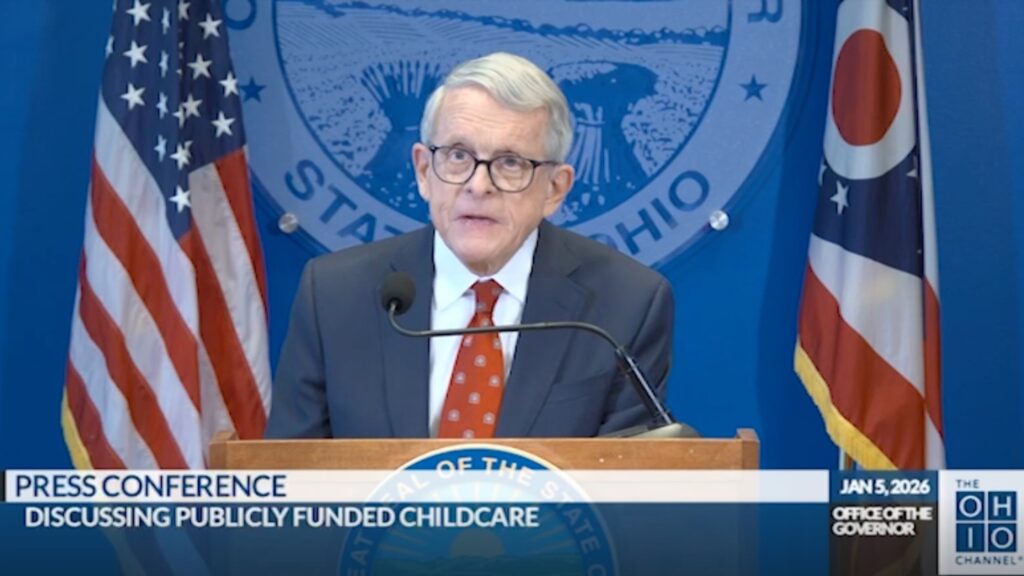
Gov. Mike DeWine announced Tuesday he has directed the Ohio Environmental Protection Agency to begin the process to end the E-Check vehicle testing programs in seven counties around Cleveland.
DeWine’s decision comes after the U.S. Environmental Protection Agency redesignated the region as meeting the federal ozone standard in June, according to a news release from the governor’s office.
Plagued by pollution and poor air quality dating back to the 1980s, the Cleveland area is now in compliance with all federal air quality standards.
“Decades of work to reduce pollution have finally paid off to the extent that we no longer believe E-Check is needed to maintain federal air quality standards in Northeast Ohio,” Governor DeWine said.
The move to end the testing also has support from Ohio lawmakers and residents who have long complained about the required inspections.
Carlatta Adams told Cleveland 19 that some people can’t afford to get their cars fixed and called the testing a hassle, adding “they should have cut that out a long time ago.”
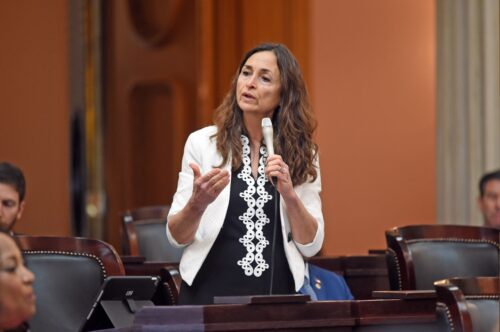
State Rep. Jack Daniels, R-New Franklin, said it’s an unnecessary and outdated burden on Ohioans who live in the region.
“Northeast Ohio’s air is dramatically cleaner than it was in 1996, and today’s vehicles are built with emissions controls that make E-Check largely redundant,” Daniels said in a news release. “I’m grateful to local, state, and federal leaders for working together to lift this outdated burden off Northeast Ohio drivers.”
U.S. EPA approval is required before the program can be eliminated. Until then, the E-Check testing will continue and anyone who needs an emissions test must get one.
As for the next steps in the process, Ohio EPA will issue a notice inviting public comment on the proposal in October, according to DeWine’s office.
There will be a 30-day public comment period, followed by a public meeting in November to allow for additional input from residents and stakeholders.
After considering public comment, the Ohio EPA will submit its request to the federal agency by the end of 2026.
The U.S. EPA began mandating emissions testing to reduce ozone in the Cleveland region in the late 1980s.
Ohio formally launched the E-Check program in 1996, requiring certain vehicles to undergo emissions testing every two years. The program is currently active in Cuyahoga, Geauga, Lake, Lorain, Medina, Portage and Summit counties.
Ohio EPA Director John Logue said improving the region’s air quality took cooperation among multiple groups.
“Ohio EPA has worked for decades with communities and businesses to improve air quality,” Logue said. “We’re ready to take the next steps in this process while ensuring those improvements continue in the years to come.”
Logue described the E-Check program as “no longer necessary,” Cleveland 19 reported. Some vehicles will be out of compliance once E-Check ends, but the agency believes air quality can be maintained without the program.
“This does not mean that air pollution controls go out the window, that we’re okay with somehow allowing air quality to get worse,” Logue said.
For years, Ohio lawmakers have pushed for the E-Checks to be eliminated without success, FOX 8 News reported.
“I feel more confident that the U.S. EPA will grant Ohio’s request to end this burden on working families across the region,” State Rep. Bill Roemer, R-Richfield, said in statement. “We spend over $12 million on E-Check each year, and now those dollars can be redirected to other important programs across the state.”
Sen. Jerry C. Cirino, R-Kirtland, also expressed support for DeWine’s directive to end the E-Check testing.
“I agree with Governor DeWine’s call to hopefully end this program now that Northeast Ohio has met all federal air quality standards,” Cirino said in a statement. “Hopefully, if the EPA approves, we can now end what has been a tremendous inconvenience for Northeast Ohioans for decades.”