Feds charge nine for more than $42 million in Medicaid fraud in Ohio — State officials suspend payments to 49
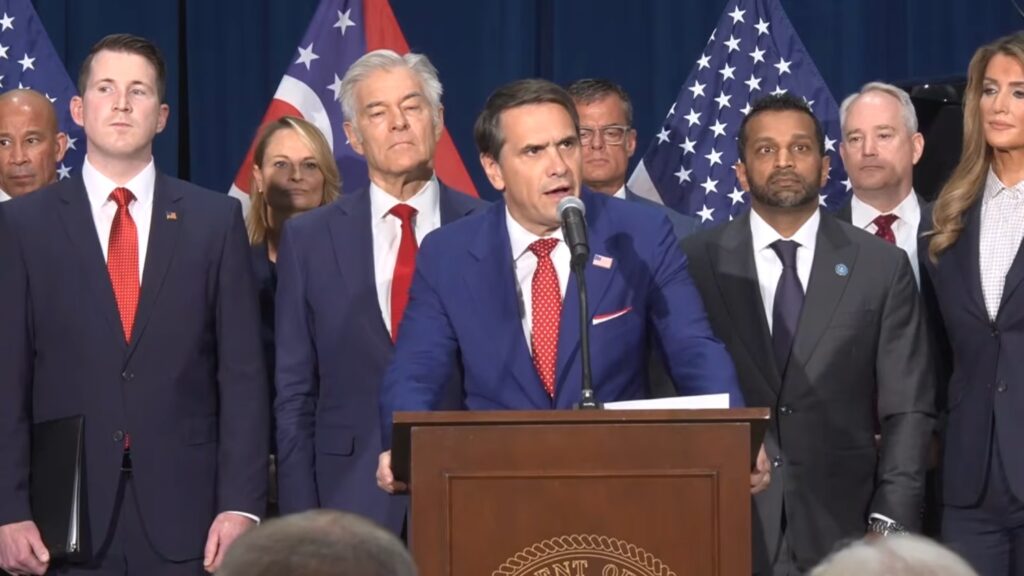
Federal officials visited Ohio on Thursday to announce the latest round of federal charges against Medicaid fraudsters, including two Ohio state employees and two co-conspirators accused in a $30 million Medicaid billing scheme.
Republican Gov. Mike DeWine is joining the fight and directed the Ohio Department of Medicaid to suspend payments to 49 high‑risk Medicaid home health providers in the state.
Today we're announcing unprecedented federal & state cooperation in Ohio in the fight against fraud, including:
✅Partnerships & a data sharing agreement to enhance the detection & prosecution of fraud
✅Federal & state charges against 9 defendants for their alleged… pic.twitter.com/wAPQhIabWJ— U.S. Department of Justice (@TheJusticeDept) June 4, 2026
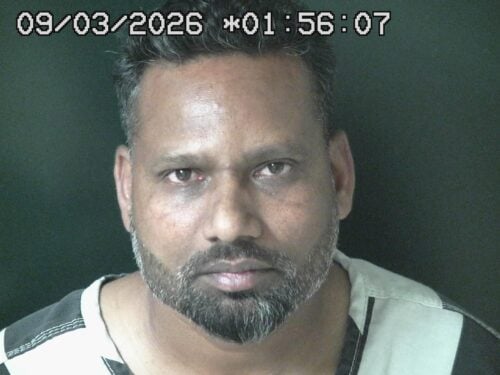
At a press conference in Columbus, authorities announced the federal indictment against Ohio state employees and two co-conspirators. They are accused of bilking $30 million from Medicaid for children’s behavioral health services that were never provided.
In total, federal and state prosecutors have charged nine people for their alleged participation in more than $42 million in fraud in Ohio. They also announced orders of detention for three others and said two more are pending extradition tied to an additional $15 million in fraud.
The U.S. Department of Justice said federal and state investigators are working together to combat fraud in Ohio, including a data-sharing agreement to help in the detection and prosecution of fraud.
Acting U.S. Attorney General Todd Blanche, FBI Director Kash Patel and U.S. Centers for Medicare and Medicaid Services Administrator Dr. Mehmet Oz spoke at the press conference, detailing the Trump administration’s expansion of federal enforcement actions.
“Ohio is leading the charge in the fight against fraud, and some states should take notice,” Acting Attorney General Todd Blanche said. “Working closely with Ohio officials, the Department of Justice dismantled a sophisticated Medicaid fraud scheme that exploited taxpayers to fund exotic cars and lavish lifestyles.”
Blanche said the Medicaid fraud case was just one of several cases unsealed over the last week. The alleged fraud schemes exceed $50 million, including one case involving a $1.4 million COVID-19 loan fraud scheme.
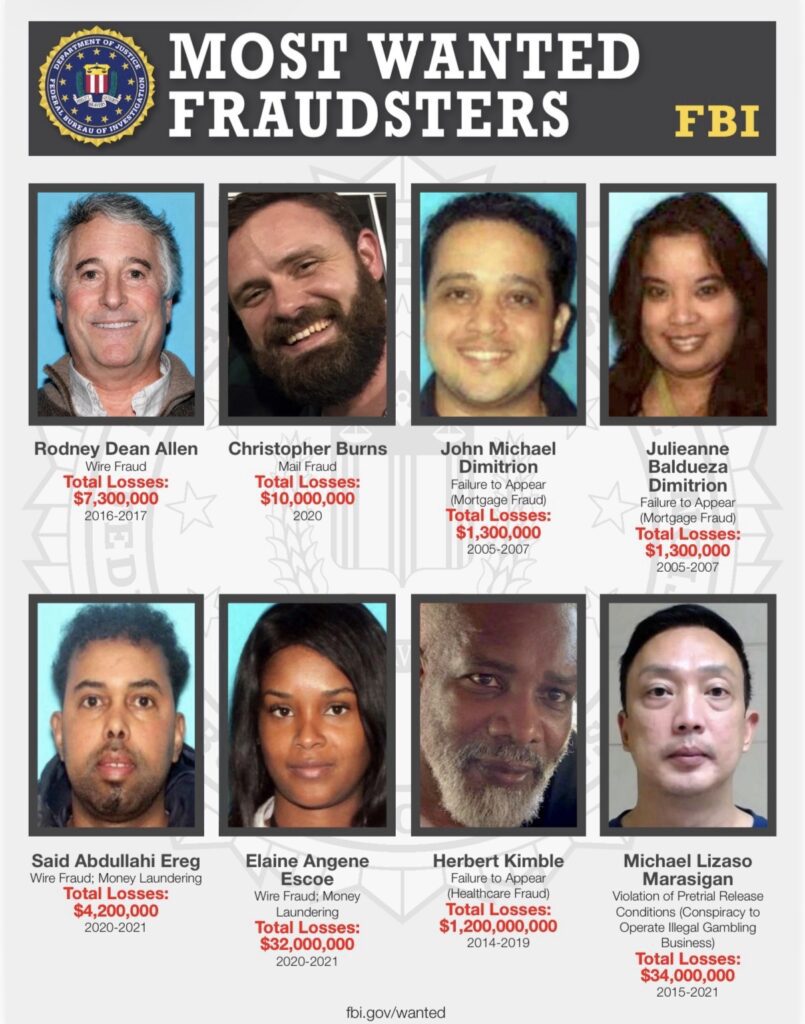
The feds also announced the creation of the FBI’s Most Wanted Fraudsters list.
Ohio is also taking its own enforcement actions under new fraud prevention initiatives directed by DeWine and suspending payments to 49 high‑risk Medicaid home health providers flagged for potential fraudulent activity.
DeWine issued an executive order establishing emergency rules allowing the Ohio Department of Medicaid to suspend Medicaid payments when fraud is suspected.
ODM has upgraded data analytics tools that identify providers whose billing patterns and data anomalies suggest a high probability of fraudulent activity. The department can temporarily suspend payments while investigations move forward.
“These initial suspensions mark a critical step forward in ensuring accountability and deterring abuse within the Medicaid system,” said ODM Director Scott Partika. “We will continue using advanced analytics and enforceable action to protect Ohioans and preserve program integrity.”
According to ODM, the suspension aligns with the broader strategy from Governor DeWine to:
- Enforce a six‑month moratorium on new enrollments for high-risk provider categories
- Require more frequent revalidation of providers identified as high-risk
- Accelerate the implementation of GPS-based electronic visit verification to better monitor in‑home services
Ohio’s comprehensive approach combines rigorous provider screening, real-time billing analysis and interagency collaboration.
“These steps are designed to swiftly detect and disrupt fraudulent behavior,” ODM officials shared in a news release. “ODM will continue to monitor high-risk providers, enforce suspensions as warranted, and coordinate with state and federal partners to administer strong oversight.”
This emergency rule, authorized through DeWine’s Executive Order 2026‑02D, was adopted to address needs identified by Ohio Medicaid in stopping fraud before payments are made. The previous process created the risk of service disruption for vulnerable Ohioans.
“Safeguarding Medicaid resources and ensuring uninterrupted access to care are equally important,” Partika said. “This emergency rule allows us to take swift action against potential fraud without jeopardizing the health and safety of our members.”
The indictments—involving allegations of more than $42 million—directly stem from irregularities initially detected by Ohio Medicaid’s “vigilant oversight processes.”
ODM referred these cases to the Ohio Attorney General’s Medicaid Fraud Control Unit, which conducted the investigations that led to the federal indictments.
In Ohio, Fraud can be reported directly to the Attorney General’s Office, as well as the Ohio Medicaid Consumer Hotline. The Strengthening Medicaid Program Integrity webpage also has news and resources for providers and members.