Five things to know for Wednesday, Nov. 5
Pureval wins re-election as Cincinnati mayor
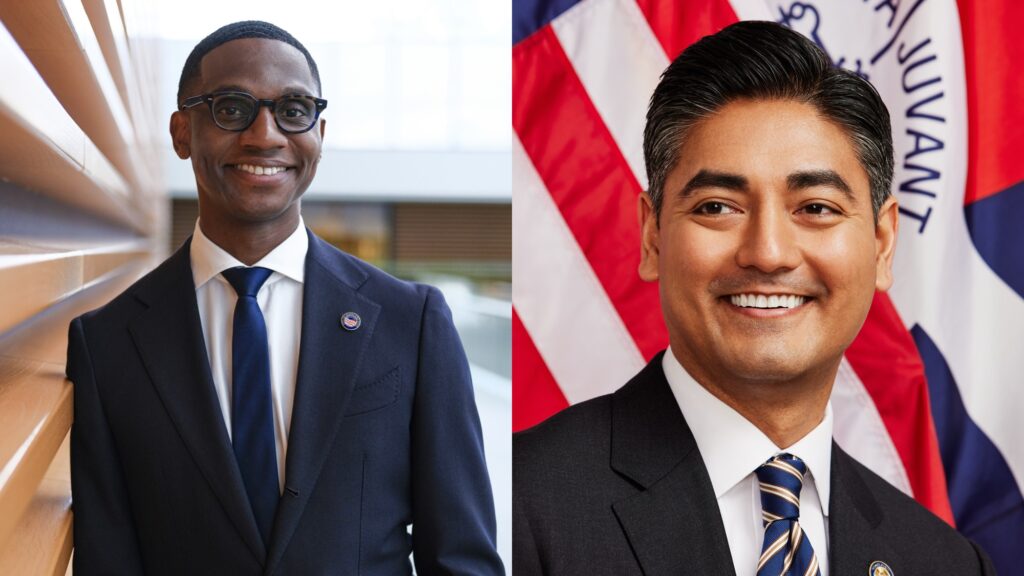
Despite increased scrutiny amid a perceived surge in crime, Democratic Cincinnati Mayor Aftab Pureval cruised to re-election on Tuesday. The incumbent mayor defeated Republican Cory Bowman, the half-brother of Vice President JD Vance, picking up about 78% of the vote.
Decision Desk HQ projects Aftab Pureval to win the Cincinnati election.#DecisionMade: 9:11 pm ET pic.twitter.com/ap3hiACqw9
— Decision Desk HQ (@DecisionDeskHQ) November 5, 2025
“The work remains ahead,” Pureval said, WCPO-TV reported. “We have to continue to prioritize public safety, continue to prioritize basic services, continue to work with this council to build more housing and create more jobs and opportunities.”
Bibb re-elected to second term in Cleveland
Cleveland Mayor Justin Bibb handily defeated Republican LaVerne Gore to win a second term as the city’s leader. Bibb was elected in 2021, and he received about 74% of the vote in Tuesday’s election.
“My heart is just filled with so much gratitude right now,” the Democratic mayor told supporters, WKYC-TV reported. “I’m looking forward to another four more years serving as your mayor. And I want to be clear about this: The best is yet to come.”
Cleveland Mayor Justin Bibb greets supporters as election night festivities kick off pic.twitter.com/p1rEwuHBkz
— John Kosich (@KosichJohn) November 5, 2025
Columbus voters approve $1.9 billion in bonds
Columbus voters approved Issues 5-9, a bond package that will allow the city to raise $1.9 billion in public funds for various initiatives, including the liberal-leaning favorite of affordable housing. The city plans to use 25 cents of every income tax dollar collected to repay the debt.
“The people of Columbus have lit a candle tonight,” Mayor Andrew Ginther said, WOSU reported. “They said let’s make the biggest investment in our city’s history.”
Franklin voters sign off on two levies
Franklin County residents voted in favor of continuing a pair of countywide taxes for the next decade, Axios Columbus reports.
Roughly 62% of voters cast ballots in favor of a levy renewal for the Columbus Zoo and Aquarium. Meanwhile, about 66% voted to renew the Alcohol, Drug and Mental Health Board levy, according to the report.
Group: House Bill 59 would open doors to Ohio’s workers
Ohio House Bill 59 would open doors to Ohio’s workers by removing what it says are unnecessary occupational licensing mandates that make it harder to start a new career or secure a promotion.
In prepared testimony, Greg R. Lawson, a research fellow at The Buckeye Institute, told members of the Ohio House General Government Committee that while “[o]ccupational licensing rules may not make news headlines,” “they do make a difference in the lives of workers looking to start or extend their careers.”