Franklin County judge temporarily pauses Ohio’s marijuana law for two businesses
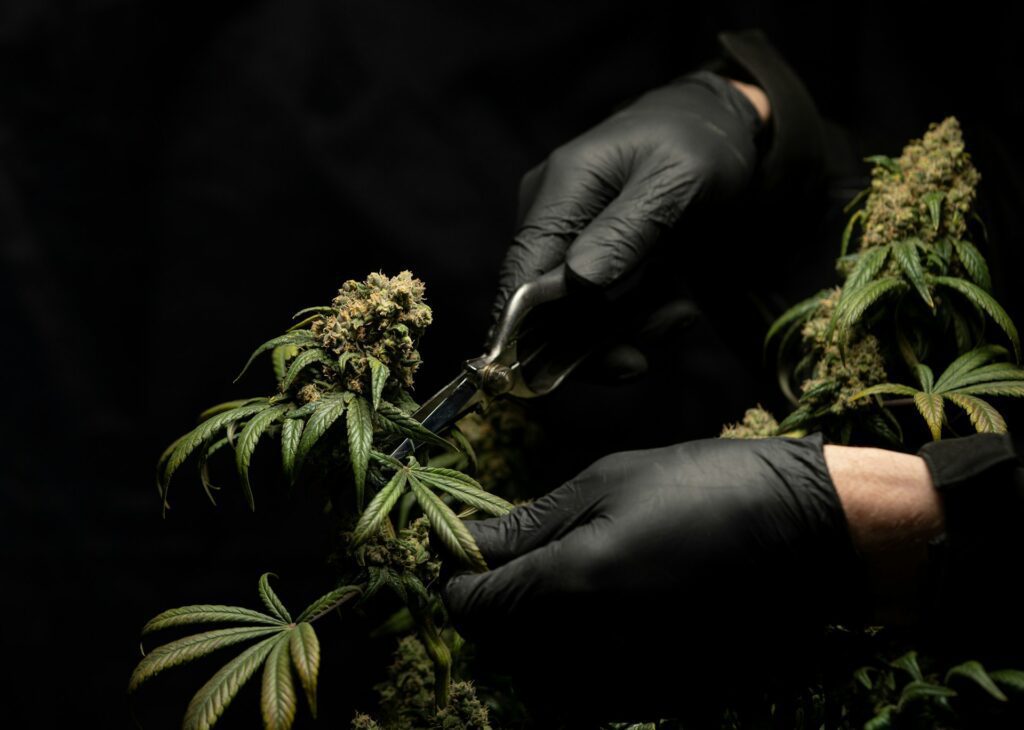
Photo by CRYSTALWEED cannabis on Unsplash
An Ohio judge approved an emergency motion on Thursday to partially pause enforcement of the anti-marijuana law that went into effect in March.
Franklin County Court of Common Pleas Judge Jeffrey Brown heard an emergency order in a case challenging Senate Bill 56, ultimately siding with the plaintiffs, Happy Harvest and Get Wright Lounge, by blocking the bill’s enforcement, according to NBC 4 News. Enforcement of the bill will be blocked until a preliminary injunction ruling in the case, expected in approximately two weeks.
The ruling only applies to the plaintiffs, according to the news source. Happy Harvest has multiple locations throughout Ohio, and Get Wright Lounge has one location in Columbus.
SB 56 introduced new penalties for some cannabis use. It banned the sale of intoxicating hemp products like THC drinks, which resulted in the plaintiffs suing the state government.
NBC 4 reported that state Rep. Jennifer Gross, R-West Chester, joined the lawsuit, supporting the plaintiffs and calling for the bill to be stopped.
“This isn’t really about hemp. It’s about whether the Ohio Constitution still means what it says. When a conference committee can rewrite a bill overnight, strip out the provisions that earned it a majority, and then ram it through without three readings or proper committee review, every Ohioan loses — no matter which side of the issue they’re on. I took an oath to the Constitution, and I intend to keep it,” she told the news outlet.
A judge in Sandusky County granted a similar temporary restraining order against enforcement of the bill on March 24, on the grounds that it contradicts federal law and is “inherently discriminatory on its face.”
“The fact that Senate Bill 56 also has the practical effect of discriminating against thousands of in-state hemp and hemp-beverage manufacturers, producers, distributors, or retailers is no defense,” Sandusky County Common Pleas Court Judge Jeremiah S. Ray wrote in his decision. “If anything, the existence of parallel intrastate discrimination ‘makes the protectionist effect of the ordinance more acute.’”
Brown heard arguments under the same federal law that led to Ray’s ruling, while also considering allegations that the state unfairly delayed a citizen challenge to the bill. It was also alleged that the Ohio measure abruptly criminalized a business sector and defies several state laws.
Scott Pullins, attorney for the plaintiffs, celebrated the ruling, calling it an important step for his clients.
“We didn’t have a whole cadre of lobbyists and campaign funds to throw at legislators as big marijuana does, so yeah, I mean, we’re the little guys not only taking on big marijuana but big government that pretty much did what big marihuana wanted,” he told the news outlet.
NBC 4 also pointed out that, unlike the Sandusky ruling, Brown’s temporary restraining order applies statewide, allowing the plaintiffs to sell their products throughout Ohio.
Related Stories

New poll shows tight Senate, governor’s races

The slow walk to socialism: Undercover video lifts lid on Ohio Democrats’ plan for state