Initial report finds thousands of ineligible Ohioans enrolled in Medicaid ABD programs
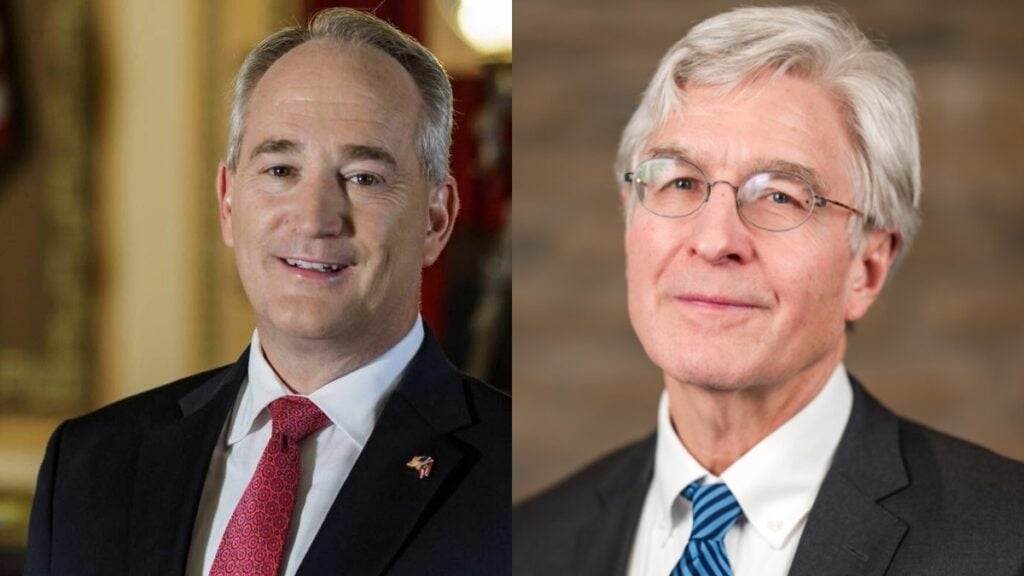
Ohio’s Auditor of State Keith Faber released an interim report that uncovered thousands of ineligible individuals improperly enrolled in Medicaid programs and continuing to fraudulently receive benefits for the Aged, Blind and Disabled.
According to the initial review report, 49 individuals or about 3% out of 1,500 sampled cases, had resources well beyond the eligibility threshold, including 25 who did not meet eligibility requirements based on their bank accounts, personal and real property, investments, and other nonexempt resources owned. A total of $356,541 in benefits was paid out by the state on their behalf, averaging $7,000 per individual.
The cursory review also found that three people among those deemed ineligible had at least $ 1 million at their personal disposal.
In addition, a total of 3,172 people among a broader ABD sampled population, had died but were still enrolled in related programs and had received nearly $1.8 million in benefits paid out on their behalf.
“The Ohio Department of Medicaid continually fails to properly administer these programs,” Auditor of State Keith Faber said. “Every dollar they spend on people who aren’t eligible for public resources is a dollar that’s not helping the truly needy among us.”
The latest findings are part of an initial review of Medicaid programs for the Aged, Blind and Disabled population, required under Ohio HB 96—the biennial state budget passed last year.
In anticipation of the fiscal accountability measures of the One Big Beautiful Bill – set to hold states financially accountable by Oct. 2029 for Medicaid error-rates over 3% – Ohio lawmakers included provisions in last year’s biennial state budget requiring the Auditor of State’s Office to audit programs and determine whether Ohioans receiving assistance were actually eligible for the support.
🚨 MUST READ: Ohio lawmakers have passed a MAJOR Medicaid anti-fraud bill and sent it to Gov. Mike DeWine's desk.
Senate Bill 315 strengthens oversight of Medicaid waiver programs, expands investigators' authority to pursue fraud cases, increases penalties for offenders, and… pic.twitter.com/2OXcjDxcqZ
— Ohio.news (@RealOhioNews) June 11, 2026
Ohio Republicans and fiscal hawks then followed that action by passing bills, such as HB 315, to codify enforcement mechanisms that will help the state recoup funds from those defrauding Ohio’s taxpayers.
According to the Auditor’s office, however, Tuesday’s report identified that some of these issues are persisting due in part to the process that the Ohio Department of Medicaid uses to determine eligibility for ABD benefits—including infrequent eligibility reviews, outdated versions of applications, and ex parte renewals.
The Ohio Department of Medicaid, which administers about $40 billion in health care and related programming for about 3 million lower-income residents, showed a marked improvement in overall PERM Medicaid improper-payment error-rates from 8.2% in 2022, down to 2% in 2025.
According to a separate state audit, that error-rate had reached 15.6% around 2019, representing between $825 million and $4.4 billion in unsupported Medicaid claims, prior to the recent legislative actions taken by Republicans.
“The taxpayers of this state should not be footing the bill for millionaires and others who have adequate means to pay their own way,” Auditor Faber said. “Time and time again, we’ve identified weaknesses in Ohio Department of Medicaid systems that can lead to fraud, waste and abuse of public resources. The issues we have identified have not been corrected.”
The Auditor of State’s Office said it will complete a review of the remaining Medicaid ABD enrollees to determine the full scope of eligibility issues within the system.