Legislative trilogy targets the ‘Energizer Bunny’ of property taxes
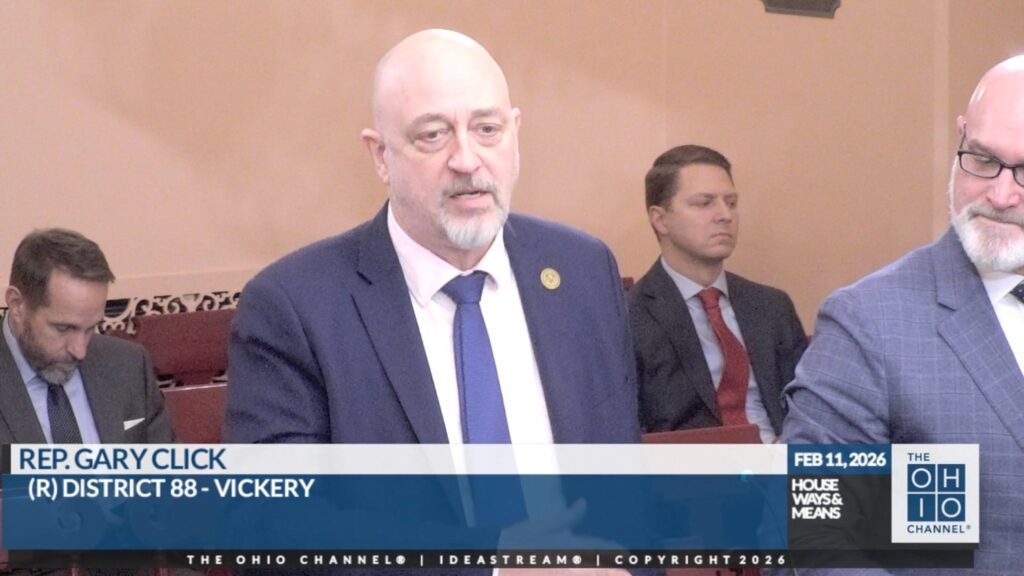
House Bill 420, the first act in a three-bill package aimed at overhauling Ohio’s property tax system, would prohibit new “continuing” levies and phase out most existing perpetual ones by 2030, allowing voters to “unplug the batteries” on the “Energizer Bunny of taxes.”
According to the bill’s sponsors, continuing levies, once approved by voters, collect taxes year after year with no expiration date or renewal requirement.
Sponsored by Reps. Gary Click, R-Vickery, and Bernie Willis, R-Springfield, the legislation seeks to end the practice of indefinite property tax levies for schools, townships, fire districts and other local entities without voter approval.
“Continuing levies are like the Energizer Bunny of taxes,” Click said. “They go on and on and on. HB 420 unplugs the batteries and gives voters a fresh start.”
Click and Willis argue that current taxpayers should not be burdened indefinitely by decisions made by previous generations.
“Continuing levies have a beginning, but no end. Today, people are paying taxes on levies implemented by their parents and grandparents facilitated by politicians long out of office,” Click said. “House Bill 420 ends continuous levies, ensuring that each generation has a voice in the taxes that they pay.”
The bill would require a sunset provision — expiration date — to be added to new continuing levies while barring tax collection on levies past that sunset date. The bill would also require most existing levies to sunset after tax year 2029, while permitting debt-related levies tied to bonds to continue only until the obligation is paid off.
View this post on Instagram
While nothing in the legislative language prohibits local governments from seeking new levies or renewing existing ones once they expire, the language specifies that levies must have an end date and require periodic voter approvals for renewal.
Sponsors emphasize that the strict sunset provision will not only restore resident oversight, but also hold school districts to city councils to a higher degree of local accountability.
I had a great conversation with @AnnaStaver today about the #TaxpayerFreedomTrilogy. Taxes should be be harder to raise and easier to lower. #HB420 #HB421 #HB422https://t.co/z9ftjZ1hPe
— Rep Gary Click 🇺🇸 💯👍 (@clickforohio) August 27, 2025
“Property tax reform is the number one issue in Ohio right now,” Click said in a release upon the introduction of the Taxpayers Freedom Trilogy. “Sudden spikes in property taxes have served as a pressure test, revealing weakness in accountability regarding property taxes. This package of three bills is designed to restore transparency, accountability, and fairness to Ohio’s property tax system.”
HB 421 is Representative Gary @clickforohio 's bill that I joined as a joint sponsor to give voters the ability to decrease or remove the portion of their property tax bill that goes up as property values go up, Inside Millage. This part of your bill is not voted on and increases… pic.twitter.com/mI9KlSql6U
— David Thomas (@DavidThomasOH) September 11, 2025
HB 420 forms Act I of the trilogy. Companion measures, such as HB 421, address inside millage reductions, while HB 422 adds higher voter approval thresholds — 60% approval for mills 1-1.9, and 66% approval for 2 mills or higher — requiring broader consensus for larger tax hikes.
The bill remains in the House Ways and Means Committee following sponsor testimony. Some local officials have raised concerns about the stability of funding for essential services. Yet sponsors maintain that changes do not eliminate the need for taxes but rather ensure ongoing public consent, while supporters view them as a step toward greater taxpayer control.
As Click emphasized, each generation deserves a say in the levies driving up rent costs, consumer goods and the cost of homeownership today.
Related Stories

DeWine issues order allowing Ohio Colleges to offer 2022 athletes a fifth year and access to NIL opportunities
Undercover video shows Ohio Dem canvassers being taught to lie to voters about Flock cameras