Ohio bill legalizes ‘terramation’ — turning dead human bodies into soil for spreading, gardening
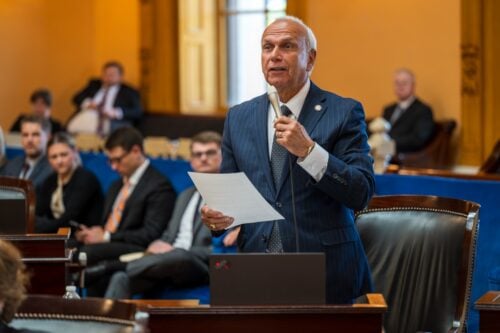
State Sen. Louis W. Blessing, III, R-Colerain Township, introduced a bill that would permit human composting, creating a new market for a new industry in the state.
Senate Bill 323 is pending before the Senate Local Government Committee.
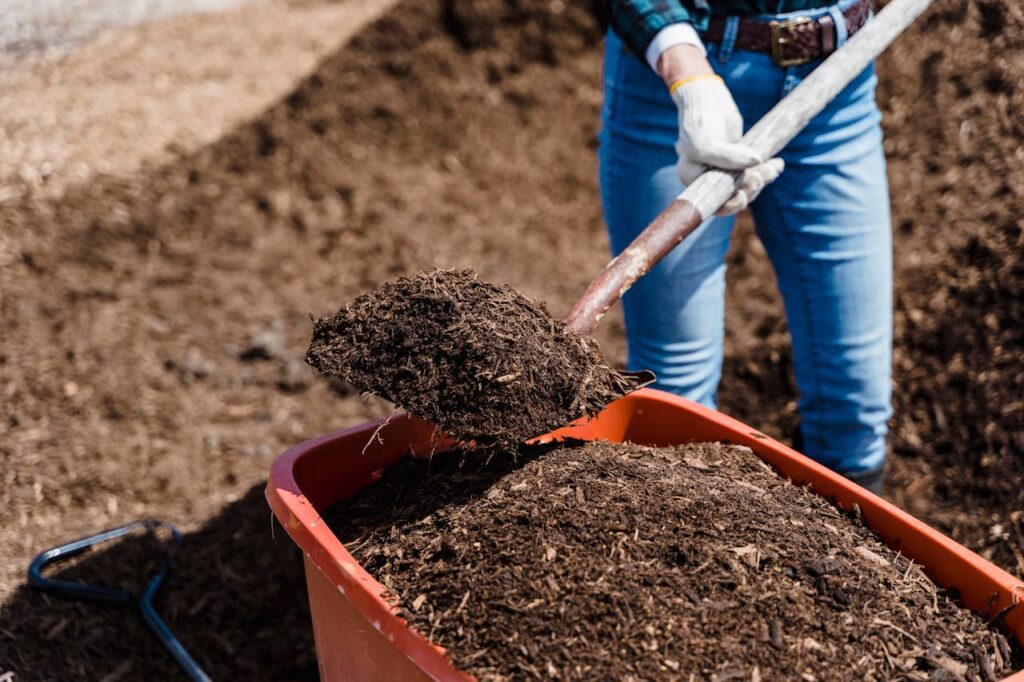
This process, also known as terramation, uses a specific vessel and organic materials to turn dead bodies into soil that could then be used for spreading, gardening, or land preservation, according to The Columbus Dispatch.
“It enhances my life to know this is what I’m going to do when I’m gone,” Lisa Fabbro, a 66-year-old resident of Lorain County, told the news outlet, adding that the procedure “takes away the ugliness of dying” since your body doesn’t rot underground.
The Dispatch reported that proponents of human composting present the process as an environmentally friendly option, noting that it is also better than cremation because it doesn’t release excess carbon dioxide.
“It’s kind of hard to get excited by the idea of being cremated, but people like the idea of this gentle, natural process that transforms you into soil and contributes towards land restoration projects, that sort of thing,” Tom Harries, CEO of Washington-based Earth, told the news outlet. “It’s just a much more uplifting prospect for people.”
Earth and other companies that engage in human composting wrap dead bodies in biodegradable shrouds and keep them like this for about 45 days until the body decomposes and a cubic yard of soil is produced, according to The Dispatch. The process costs between $5,000 and $7,000, depending on the company and service.
Harries told the news source that families used the soil to grow bonsai trees, create memorial gardens, and donate extra soil to conservation projects.
The concept of human composting is not extremely popular, especially among religious people, with the Catholic Church being the biggest organization opposing human composting because the body must be properly buried. The Church accepts cremation only if the remains are laid to rest in a cemetery or another sacred place, according to The Dispatch.
“The Catholic faith holds a deep respect for the human body during an individual’s life that follows in properly burying remains after death,” Brian Hickey, executive director of the Ohio Catholic Conference, told the news source.
Even though Ohio has several places that offer “green burials,” such as Kokosing Nature Preserve in Knox County, Foxfield Preserve in Stark County, and Heritage Acres Memorial Sanctuary near Cincinnati, the body must be transported to other states to allow the composting, a very expensive and complicated option that resulted in Harries lobbying Ohio and other states to legalize the procedure, The Dispatch reported.
“People who have spent their entire lives appreciating nature or finding sanctuary in nature want to keep that going even after death,” Samantha Bartram, Kokosing’s green burial coordinator, said, per the Columbus newspaper.