Ohio officials face personal bills for their negligence totaling over $1.5 million
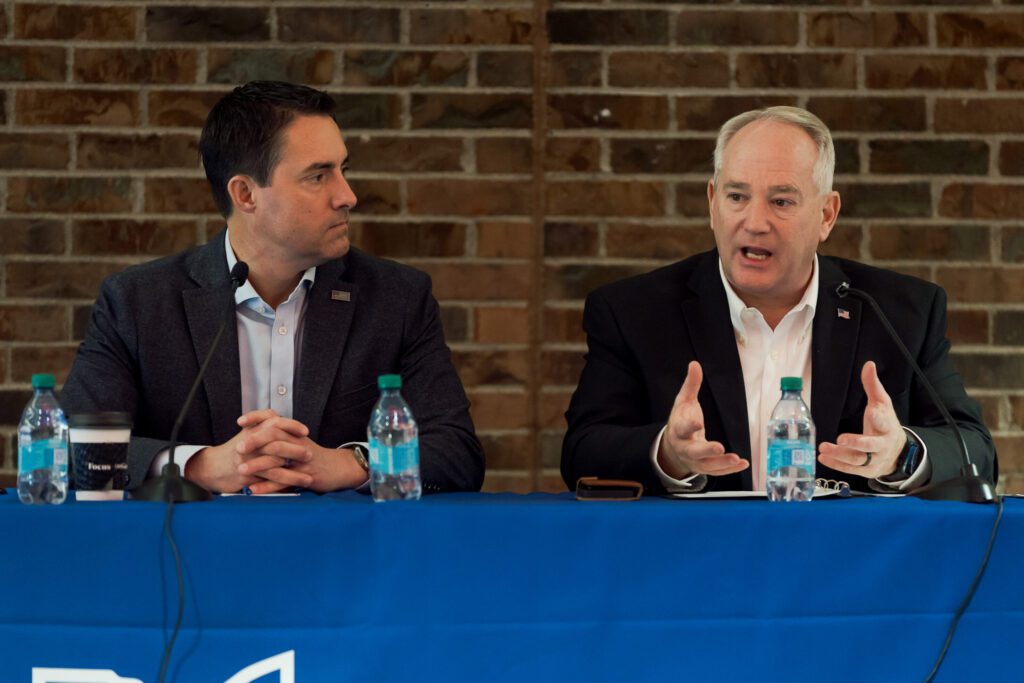
In November 2025, Auditor of State Keith Faber joined Secretary of State Frank LaRose and cyber experts for a panel discussion on cyber threats, best practices, and the future of cybersecurity at the Ohio Innovation Technology Association's CyberOhio Summit in Columbus.
More than $1.5 million in penalties, interest, and late fees racked up by Ohio public offices since 2019 have been deemed improper expenditures, with the responsible local officials ordered to repay the amounts personally, according to a report released by Auditor of State Keith Faber.
The findings for recovery stem from repeated failures to pay bills, remit payroll tax withholdings or submit retirement contributions on time — issues the auditor attributes to gross negligence and poor fiscal management in townships, villages, and school districts across the Buckeye State.
From Jan. 1, 2019, through Dec. 31, 2025, the Auditor of State’s Office issued 880 findings for recovery overall, with 164 tied specifically to these late payments. In 2025 alone, there were 46 such findings totaling $311,698—an increase from 27 findings worth $307,231 in 2024.
The trend has risen steadily, Faber said, despite ongoing warnings.
“There are too many public offices in Ohio paying their bills late, and that’s unacceptable,” Faber said in a statement. “It’s not a proper use of public resources, and those who are negligent will have to pay these late fees out of their own pockets.”
Under Ohio law, patterned late payments by elected fiduciary officers constitute gross negligence, rendering resulting fees illegal expenditures that serve no public purpose. Officials – often fiscal officers or treasurers – face personal liability through findings for recovery, frequently jointly and severally with their surety bonding companies.
While the property tax-funded surety bonds protect the public entity — be it a township or school board — surety issuers often pursue these government officials in their personal capacity for reimbursement of the payout.
Ron James, former treasurer of Wayne Local Schools in Warren County, has been ordered to repay $44,222.08 for continued late tax returns and payments to the IRS, RITA for the Village of Waynesville, the Ohio Department of Taxation, plus late vendor fees. The special audit, reviewing fiscal years 2019 to 2024, cited James for gross negligence and failing to perform his duties in a timely manner.
James Barrett, who served as the former fiscal officer of the Paint Creek Joint EMS/Fire District, was issued a finding for recovery of $33,850.90 for failing to pay into the pension funds of first responders. Barrett also failed to timely remit state and federal payroll taxes for first responders spanning multiple years. The Auditor classified these as gross negligence and lack of proper fiscal controls, with noted governance oversight issues by the board of trustees.
Jennifer McCombs wracked up $29,384.10 as the former fiscal officer of the Village of North Lewisburg, a small village in Champaign County, of about 1,400 people. This amount covers interest, penalties, and late fees from untimely remittance of tax withholdings from state and federal payroll taxes, plus pension system contributions over a four-year period between 2020 and 2023.
Funded by taxpayers, the village’s bond covered the improper costs initially. While McCombs has since resigned, the surety may pursue personal reimbursement from McCombs through collections, liens, or other legal means.
$38,450.52 was assessed against the fiscal officer of Garfield Heights in Cuyahoga County for late retirement system payments over a three-year period. The late fees resulted in penalties and interest assessed to Garfield Heights by the Ohio Public Employees Retirement System and the Ohio Police and Fire Pension Fund.
The individual responsible was not named in the Auditor’s report.
Other large amounts hit former officials in Butler Township for $22,269 and Yellow Springs for $19,512.40. Of the 2025 findings, 16 totaling $149,028.41 remain unpaid or still lack repayment plans.
Audits reveal patterns of inadequate internal controls, a lack of oversight by governing boards and a failure to track due dates—the type of negligence that results in higher property taxes when not caught.
Faber has emphasized that government officials will be held accountable personally for their chronic yet avoidable lapses in basic diligence.
A detailed spreadsheet of 2025 late-fee findings is available at ohioauditor.gov.