Ohio universities discuss a ‘course-sharing’ partnership to solve financial problems
Two universities in the Buckeye State are discussing sharing courses to resolve their financial problems.
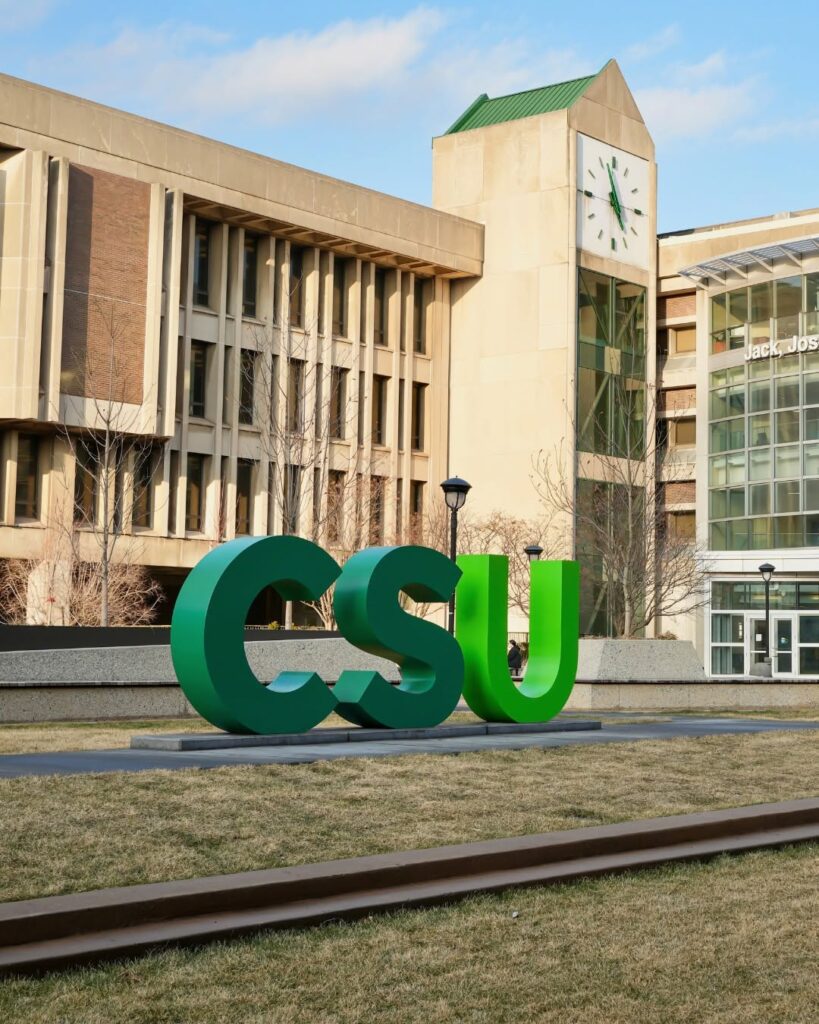
Baldwin Wallace University in Berea and Cleveland State University announced plans to partner on certain programs to address their financial problems, according to Signal Cleveland. According to the report, BWU previously fired its professors and cut some undergraduate programs to avoid bankruptcy.
CSU President Laura Bloomberg and BWU President Lee Fisher met to discuss their plans, with the latter dismissing the suggestion that the two universities could merge.
“President Bloomberg and I are good friends and talk regularly,” Fisher said, according to Signal Cleveland. “I also talk regularly with other college and university presidents. We often talk about possible strategic partnerships that are mutually beneficial, such as course-sharing, and how we can jointly meet the region’s workforce needs.”
The news source reported that Fisher previously said he planned to cancel the upcoming December graduation ceremony to save money, but later backtracked, allowing the ceremony to proceed despite the BWU’s financial challenges.
“There are no new specific partnership plans underway with any of these universities,” Fisher said, adding that the university doesn’t have financial problems. “BWU’s costs are down, enrollment and fundraising are up, and we’re stronger than we’ve been in years.”
According to Signal Cleveland, Bloomberg said she met with Fisher to deepen partnerships with other colleges and universities in Ohio so students would have more opportunities.
“We have discussed the potential for strategic partnerships between our universities, just as CSU has also engaged in similar conversations with other institutions in the state,” she said.
The course-sharing partnership is just one of several education items making headlines.
At the K-12 level, the Ohio Department of Education and Workforce allegedly sent more than $1 billion during the 2025-2026 school year to private schools serving 173,147 students in five voucher programs, according to Cleveland.com. The news source added that this number will increase for the 2026-2027 school year, with the state saying that it will pay private schools $1.264 billion in vouchers.
Ohio lawmakers expanded eligibility for one of the voucher programs in 2023 to include families of all incomes, resulting in soaring voucher costs because many children were now eligible for a scholarship, Cleveland.com reported.
After the 2022-2023 school year, the cost of vouchers jumped by more than $300 million, from $610.2 million to $910.2 million, to educate 80,026 students across the five voucher programs.
Separately, Ohio lawmakers in both the state House and state Senate passed the bill to allow teenagers to work until 9 p.m. on some nights during the school year, as long as a child’s parents or guardians allow it.
House Bill 455 was sponsored by state Reps. Gayle Manning, R-Avon, and Adam Bird, R-New Richmond.
Meanwhile, state Sen. Andrew Brenner, R-Delaware, introduced Senate Bill 311 that would punish those who sell homework answers to Ohio students. The bill also addresses truancy and school zoning, according to The Columbus Dispatch.
“These are businesses that sell completed assignments, papers, exams, and other academic work for students to submit on their own,” Brenner previously said, according to The Dispatch. “Senate Bill 311 prohibits organizations and individuals from profiting by helping students cheat, while protecting legitimate tutoring and educational assistance.”
Related Stories

New poll shows tight Senate, governor’s races

The slow walk to socialism: Undercover video lifts lid on Ohio Democrats’ plan for state