PUCO seeks $150 million federal SPARK grant to boost high-voltage grid capacity
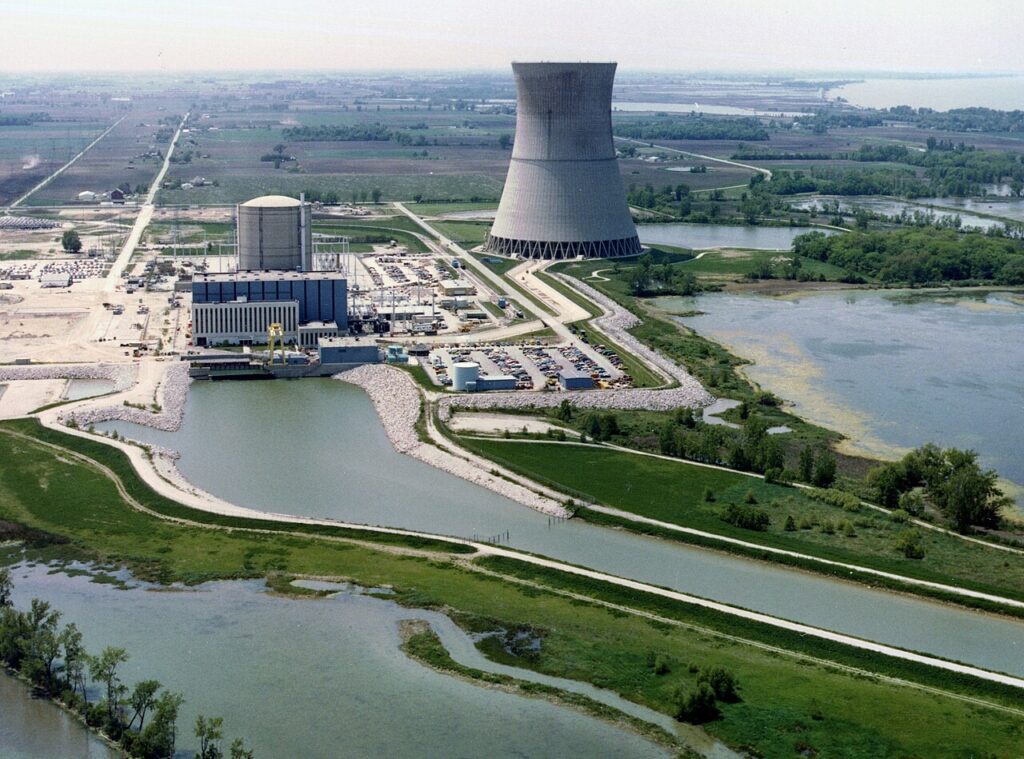
Davis-Besse Nuclear Power Station
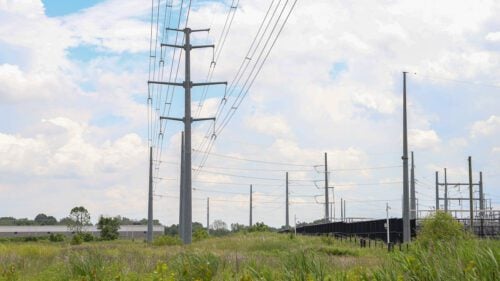
The Public Utilities Commission of Ohio wants $150 million in federal funding to strengthen the state’s high-voltage transmission system through practical upgrades rather than costly new construction and has announced the submission of a concept paper outlining its plans.
The application, announced last week, falls under the U.S. Department of Energy’s new SPARK program—formally known as GRIP. If approved, the grant would be matched, potentially creating a $300 million initiative focused on better using Ohio’s existing power lines and advanced transmission technologies.
The concept plan includes replacing traditional conductors with high-capacity advanced conductors on existing rights-of-way, installing power flow control devices to ease congestion, and deploying dynamic line ratings that allow lines to carry more electricity safely based on real-time weather and conditions. These upgrades aim to increase grid capacity, improve reliability, and help lower consumer costs driven by increased demand.
PUCO Chair Jenifer French emphasized Ohio’s desire to lead in smart grid innovation that prioritizes affordability.
“Ohio intends to be a leader in the adoption of advanced transmission technologies,” French said in a release. “We look forward to the opportunity to partner with U.S. DOE with a mind towards innovation and affordability by encouraging advanced tech deployments to meet tomorrow’s energy needs.”
The announcement follows recent rate-increase requests from utility companies, citing the need for greater capacity and the replacement of storm-damaged infrastructure. Although the PUCO largely denied those requests, the announcement appears to reveal a broader strategy to deliver faster results at lower costs than traditional construction.
A key factor in the high-profile timing is the sizable policy shifts under the Trump administration, which have refocused federal programs and the way grant funding opportunities work today.
In the previous “GRIP” version of the program, federal funds flowed through NGOs as “partners” in order to ensure strict compliance with Biden-era ideological requirements. These legally binding requirements and equity-scoring mandates have inflated compliance costs for participants and delayed projects, imposing time-consuming administrative burdens.
“For too long, important grid modernization and energy addition efforts were not prioritized by past leaders,” U.S. Secretary of Energy Chris Wright said. “Thanks to President Trump, we are doing the important work of modernizing our grid so electricity costs will be lowered for American families and businesses.”
If approved, the initiative will help the PUCO to expand capacity and modernize the grid without heavy new taxpayer burdens, rate increases, or unnecessary federal strings attached. Instead, the matching funds are expected to come primarily from participating electric utilities, such as American Electric Power and FirstEnergy.
Full applications are due in May, with selections anticipated around August and grid construction possible by late 2027.