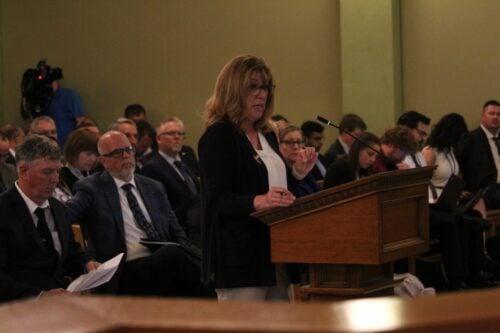
Reps. David Thomas, Tristan Rader introduce bill to shield Ohioans from data center-driven grid costs
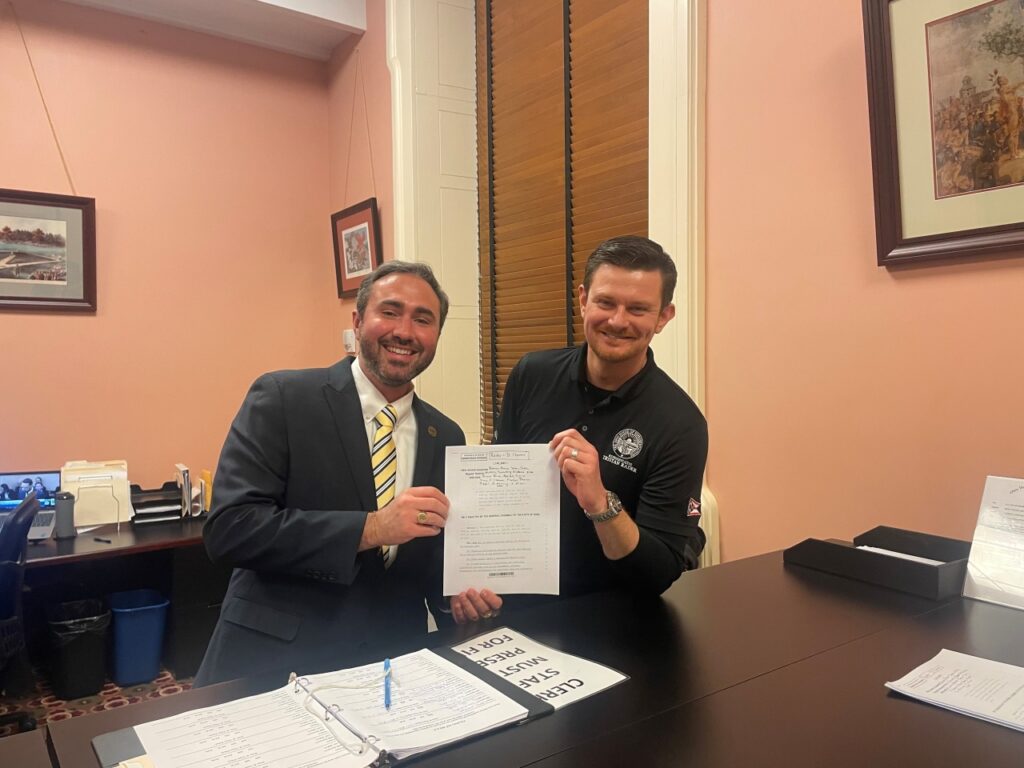
Ohio lawmakers have announced a bipartisan proposal aimed at protecting energy customers from bearing the costs of grid upgrades driven by large data centers.
State Reps. Tristan Rader, D-Lakewood, and David Thomas, R-Jefferson, unveiled House Bill 706 to set statewide minimum standards for electric service agreements between utilities and data center operators. The bill would require data centers to sign long-term service contracts — at least 12 years — with utilities before construction of dedicated infrastructure begins.
It would also direct the Public Utilities Commission of Ohio to establish rules for interconnection queue practices, load study deposits, milestone requirements, and minimum billing standards.
Key provisions would: prohibit utility companies from recovering data center-related costs from other customer classes, mandate financial assurances prior to building dedicated facilities, and ensure exit payments or unused-capacity charges are returned to customers when applicable.
If passed, the measure would build upon current consumer protection practices, such as a PUCO-approved tariff on American Electric Power’s territory. AEP has reported that early results from this tariff structure are “working as designed.” The legislation would apply these same safeguards statewide, ensuring consistent safeguards for all of Ohio’s ratepayers.
“This bill is about protecting Ohio consumers,” Rader said in a statement. “Data centers may bring jobs and investment, but their massive electricity demand can also drive major grid costs. Working families and small businesses should not be forced to pick up the tab for private infrastructure built to serve some of the largest corporate customers in the world. These standards ensure that if these projects move forward, they do so responsibly, transparently, and without increasing rates for everyone else.”
Thomas emphasized the need for balance between economic development and consumer safeguards.
“This is a commonsense approach that supports economic development while protecting consumers,” he said. “Data centers are an important part of Ohio’s future, and we want to continue attracting them. At the same time, utilities and regulators need clear rules so that grid investments are planned responsibly and existing customers are not left holding the bag.”
Ohio has experienced a rapid expansion of energy-intensive facilities, including data centers, prompting concerns over transmission and distribution upgrades that could raise rates for ordinary customers.
The bill has received bipartisan backing and advanced to the House Energy Committee on Feb. 25 for further consideration. Sponsors frame the proposal as extending proven safeguards statewide to promote responsible development amid growing interest in data centers.