DeWine signs bill to ban third-party litigation funding
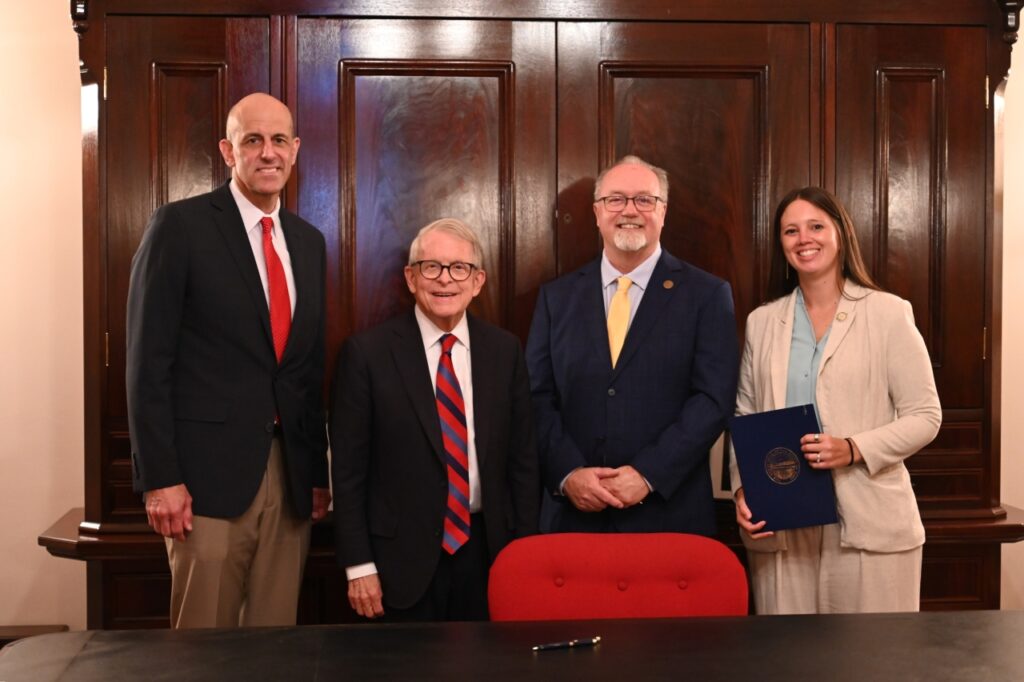
Gov. Mike DeWine has signed a measure barring foreign entities from influencing Ohio’s courts as part of what critics call an “opaque” billion-dollar industry.
House Bill 105 includes the nation’s first ban on all foreign governments, corporations, and investors from participating in third-party litigation funding.
Third-party litigation funding lets outside investors without a direct stake in a legal fight fund lawsuits in exchange for part of a future judgment or settlement. In many cases, foreign-backed entities invest in U.S. litigation, raising worries about outside influence in American courts.
“For too long, foreign actors have profited off Ohio citizens and businesses,” state Rep. Meredith Craig, R-Smithville, said in a release. “… Ohio’s courts should serve the interests of justice—not provide investment opportunities for foreign entities seeking to profit off our legal system.”
While plaintiffs often turn to third-party litigation funding to access capital, critics contend these arrangements lack transparency. They can also prolong litigation and leave plaintiffs with only a part of their settlement as funders collect a significant portion of the proceeds.
The measure, which takes effect Oct. 6, requires such funders to register with the state’s attorney general, forbids them from directing legal strategy and requires them to disclose the terms of their funding agreements after the case concludes.
Critics argue the practice lets third-party investors hold settlement agreements hostage to secure higher returns.
“An important component of a strong business environment is a stable and predictable civil justice system,” state Rep. Jim Thomas, R-Plain Township, said in a release.
“…This commonsense measure will protect Ohioans, consumers, and businesses from outside interests seeking to profit from our courts, while creating greater transparency and accountability,” Thomas added. “By strengthening the integrity of our civil justice system, we are helping make Ohio an even better place to live, work, and do business.”