Lawmakers considering bill to replace SNAP electronic benefit transfer cards
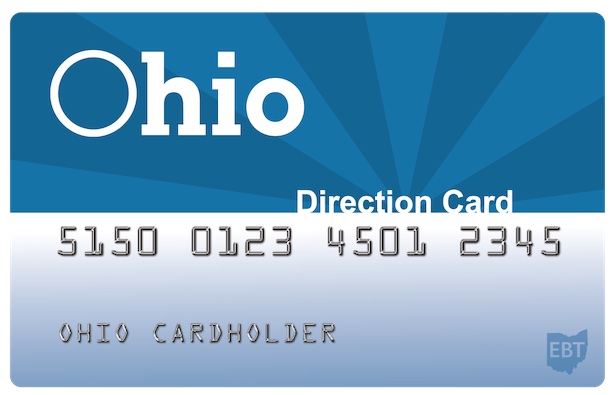
Proposed legislation would require the Ohio Department of Job and Family Services to replace existing Supplemental Nutrition Assistance Program electronic benefit transfer cards with chip-enabled cards.
House Bill 163, the Enhanced Cybersecurity for SNAP Act of 2026, allocates $3 million in fiscal 2027 to support the change. Of that funding, $750,000 is federal tax dollars.
The measure was introduced last year and has had a new round of hearings, including its first hearing on Tuesday before the House Finance Committee, amid allegations of widespread fraud in the state.
“Organized criminals have taken advantage of outdated technology and defrauded families in Ohio by installing skimming devices that steal payment data through point-of-sale transactions at retailers,” Joree Novotny, executive director of the Ohio Association of Foodbanks, said in prepared testimony to the Ohio House Agriculture Committee earlier this year.
“Data shows that millions of taxpayer dollars have been stolen. In January, the U.S. Secret Service and federal and state investigators conducted a sting operation at about 500 businesses in Ohio in two days, removing six skimming devices and preventing more than $6 million in benefit theft by criminal fraudsters,” Novotny added. “From June 2023 to December 2024, we know of at least $17 million in SNAP benefits stolen from more than 34,000 Ohio households.”
As introduced, the measure requires the ODJFS director to adopt rules on cybersecurity and digital services for SNAP electronic benefit transfer cards and mobile payments. It also mandates that the director ensure that the ODJFS website contains a mechanism for SNAP benefit recipients to report fraud.
“We find the inclusion of a website mechanism to report fraud extremely beneficial, as it ensures that victims are able to report their experiences in a timely and accurate manner,” Kyle Thompson, a policy associate at the Center for Community Solutions, told the Ohio House Agriculture Committee in prepared testimony. “This also allows the Ohio Department of Job and Family Services to respond promptly in the event of fraud.”
Last month, state officials said they identified nearly 56,000 suspicious out‑of‑state SNAP transactions in the past six months, totaling more than $6.3 million.
According to the ODJFS’s fraud analytics team, Pennsylvania currently accounts for 35% of suspicious activity, the largest share of any state. At 26%, New York ranked second, followed by Illinois at 19% and New Jersey at 10%.
In a policy memo, The Buckeye Institute, a Columbus-based think tank, warned that Ohio policymakers must reform how the state manages the Supplemental Nutrition Assistance Program to prevent the feds from sending a $321 million bill for high rates of fraud, waste, and abuse.
The memo noted that the One Big Beautiful Bill Act requires states with error rates of 6% or higher to pay between 5% and 15% of benefit costs. Instead of splitting administrative costs, the federal government will now only pick 25%; states must cover the remaining 75%.