Ohio law enforcement groups urge lawmakers to regulate Flock cameras rather than ban them
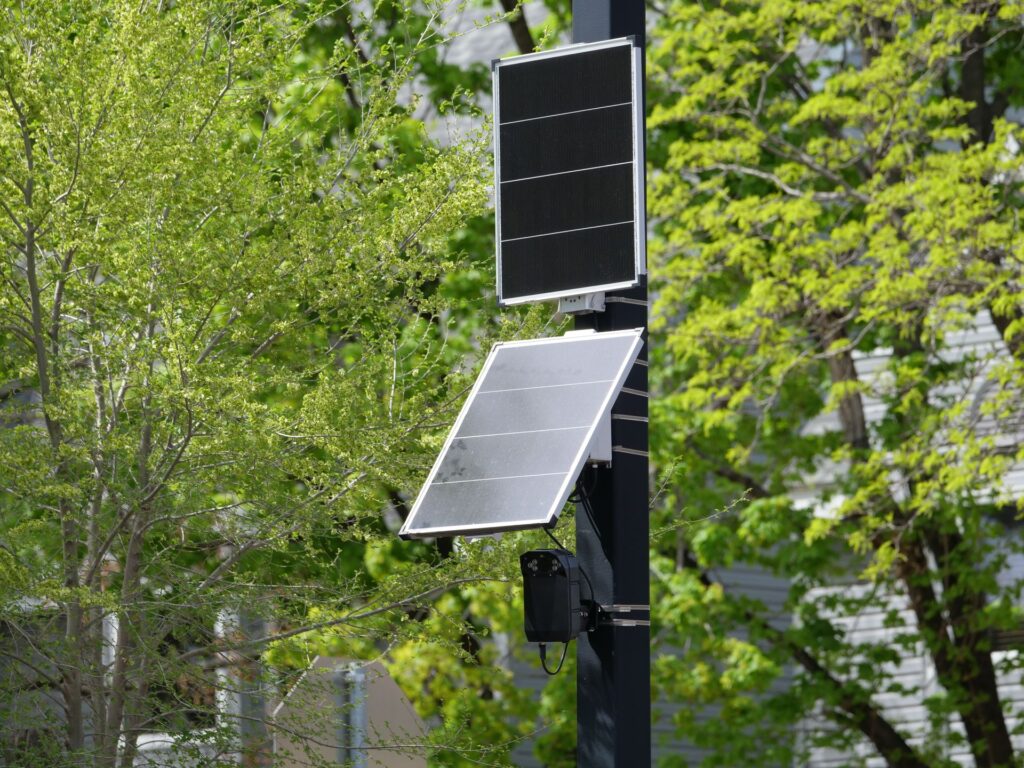
Four of Ohio’s leading law enforcement organizations are urging state lawmakers to regulate Flock surveillance cameras rather than ban them, calling for stricter oversight while defending their use in criminal investigations.
The Fraternal Order of Police of Ohio, Ohio Association of Chiefs of Police, Ohio Prosecuting Attorneys Association and Buckeye State Sheriffs’ Association issued a joint statement Friday supporting automated license plate readers while acknowledging concerns about unauthorized access to the information they collect.
“We have heard many Ohioans’ concerns about the danger that could come from those who seek to abuse access to this important police investigative resource, and we share those concerns,” the organizations said.
The groups want lawmakers to establish criminal penalties for officers who improperly access camera data, similar to existing penalties for misusing Ohio’s Law Enforcement Automated Data System. They also called for mandatory audits to review who accesses the information, how frequently searches occur and why they are conducted.
The organizations also called for widespread misuse to be reported publicly so civilian administrators can address it, along with requirements for police departments to track and disclose arrests resulting from license plate reader data.
They also want technology providers to meet cybersecurity standards governing access controls, data retention, breach notifications and independent security audits.
The organizations’ recommendations follow earlier legislative efforts to regulate automated license plate readers. Four Republican-backed bills addressing the technology had been introduced by September, according to the Statehouse News Bureau.
Jay McDonald, president of the Fraternal Order of Police of Ohio and Marion’s police chief, said lawmakers need to establish regulations that keep pace with developments in surveillance technology.
“Technology always moves faster than regulation. And that happens in every single case,” McDonald told the Statehouse News Bureau.
McDonald said officers who misuse license plate reader information should face criminal consequences, but argued that communities should not eliminate a technology law enforcement agencies consider valuable for solving crimes.
“It has been the most important technological advance in law enforcement in my entire career,” McDonald told the Statehouse News Bureau.
Flock cameras photograph passing vehicles and collect license plate information that police can search during investigations. Their use has faced scrutiny in Ohio following reports of unauthorized searches and questions about access to the data.
As Ohio.News previously reported, Columbus officials began covering the city’s 65 Flock cameras in September after Mayor Andrew Ginther suspended police use of the system.
The decision followed allegations that a Columbus police officer searched one license plate more than 270 times without an apparent investigative purpose. A separate audit identified more than 15,000 searches potentially connected to immigration enforcement, representing less than 1% of nearly 20 million queries.
Republican Keith Faber and Democrat John Kulewicz both called for stronger statewide safeguards during the attorney general campaign. Kulewicz defeated Faber in the Nov. 3 election.
Ohio Attorney General Andy Wilson also defended the technology in September, calling it an important investigative tool while urging lawmakers to establish criminal penalties for officers who misuse license plate reader data.