DeWine signs measure aimed at rooting out Medicaid, SNAP fraud
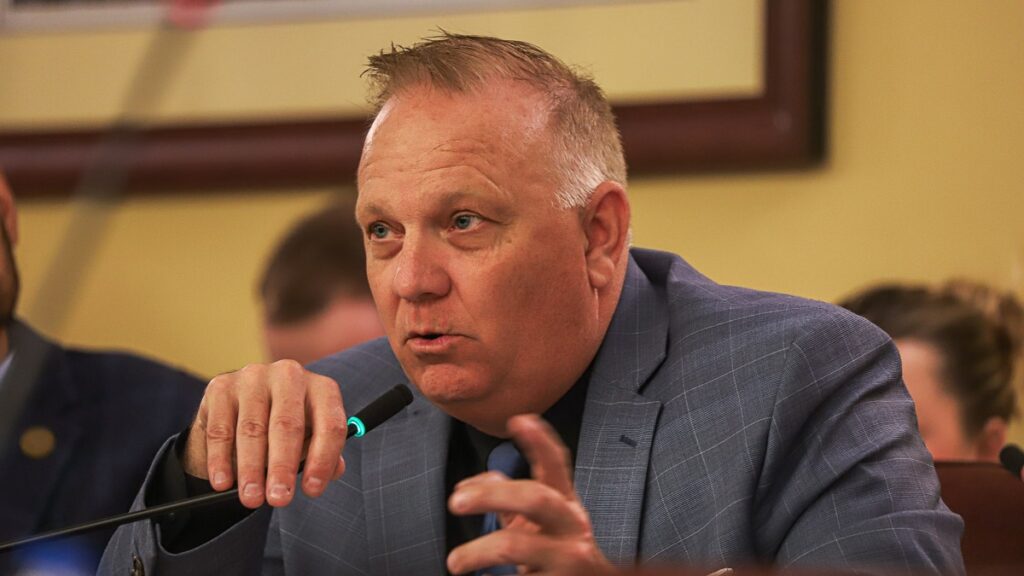
State Rep. Tim Barhorst, R-Ft. Loramie, during an Ohio House Medicaid Committee meeting in June 2026. (Photo by Todd DeFeo)
Gov. Mike DeWine has signed off on Senate Bill 315, a measure aimed at stamping out Medicaid and food stamp fraud that state lawmakers passed last month.
Lawmakers passed an amended version of Senate Bill 315 last month amid widespread allegations of fraud within the state’s Medicaid program. The measure includes an extensive, targeted list of reforms to prevent, detect and increase penalties for Medicaid fraud.
DeWine, a Republican, signed the bill with no fanfare as part of a release noting that he signed more than a dozen pieces of legislation.
“I am very pleased that Ohio is taking fraud, waste and abuse serious with passage of SB 315,” state Rep. Tim Barhorst, R-Ft. Loramie, told Ohio.News. “As the vice chair of the Ohio House Medicaid Committee, Chair Jennifer Gross and I have been prioritizing additional oversight, shared reporting, transparency and overall stronger stewardship of the Ohio Medicaid budget.”
Among its provisions, the measure mandates annual legislative reviews of Medicaid waiver programs, expands the attorney general’s investigatory authority in Medicaid-related cases, and creates electronic visit verification dashboards and compliance tracking. It also requires automated insurance checks before Medicaid claims are paid to identify other insurers that should pay first.
The bill began as the Cybersecurity for SNAP Act and also mandates that the state’s SNAP program move toward chip-enabled EBT cards as part of a broad approach to tackling fraud.
Republicans previously indicated additional measures could be forthcoming, and lawmakers could consider them when they return for a lame-duck session following November’s election.
When asked by Ohio.News last month about the scope of the Medicaid fraud allegations and how the state reached this point, before lawmakers passed SB 315, Secretary of State Frank LaRose said the allegations arose partly because of “a great thing called separation of powers.”
“We don’t trust putting all of the authority or all of the power in any one place, right, and it just goes back to our founding as a nation and as a state. These programs exist in all of these different places and silos, and that’s spread out in that way to have that separation of powers. Bad guys then try to exploit that … because they know this agency doesn’t talk to that agency and that agency doesn’t talk to this agency.”
“There’s also a culture within some of these agencies [that] they define success by how much money they can push out the door,” LaRose, who is running for state auditor, added. “That’s not the way to define success if you’re a human services agency in charge of giving out grants and dollars to people that are in need. It’s making sure the right people get those dollars. So, just defining your success as an agency by, ‘Hey, we granted X number of dollars out this month,’ that’s not the right definition of success. We need to redefine that. It’s making sure the right people get it, and that the wrong people are not stealing from the people that really need.”