MYSTERY: Will DeWine sign anti-Medicaid fraud bill?
While Ohio officials have made fighting fraud a priority, recent audits identified weaknesses in Ohio’s Medicaid billing and provider oversight, and it is unclear whether Republican Gov. Mike DeWine will sign a measure aimed at cracking down on fraud.
Lawmakers recently passed an amended version of Senate Bill 315, which includes an extensive, targeted list of reforms to prevent, detect and increase penalties for Medicaid fraud.
“What is being missed on the Medicaid fraud issue is that some see this as a new issue, but it is as old as the program itself,” Dan Tierney, a spokesman for DeWine, told Ohio.News. “Fraud is never acceptable, but fraudsters are always looking at ways to scam the government of payments, and folks are always trying new business models to get government payments which some would call abusing the system.
“While the scams may change, Ohio continues to work diligently in fighting Medicaid fraud. Ohio is recognized nationally and by the Trump Administration as aggressive in indicting and convicting those who defraud Medicaid,” Tierney added. “Since 2011, Ohio has achieved more than 2300 Medicaid fraud indictments, 2200 convictions, and recovered more than $633 million in taxpayer funds.”
Lawmakers and concerned citizens also raised concerns about eligibility verification processes for several Medicaid programs following investigative reports and their own investigations.
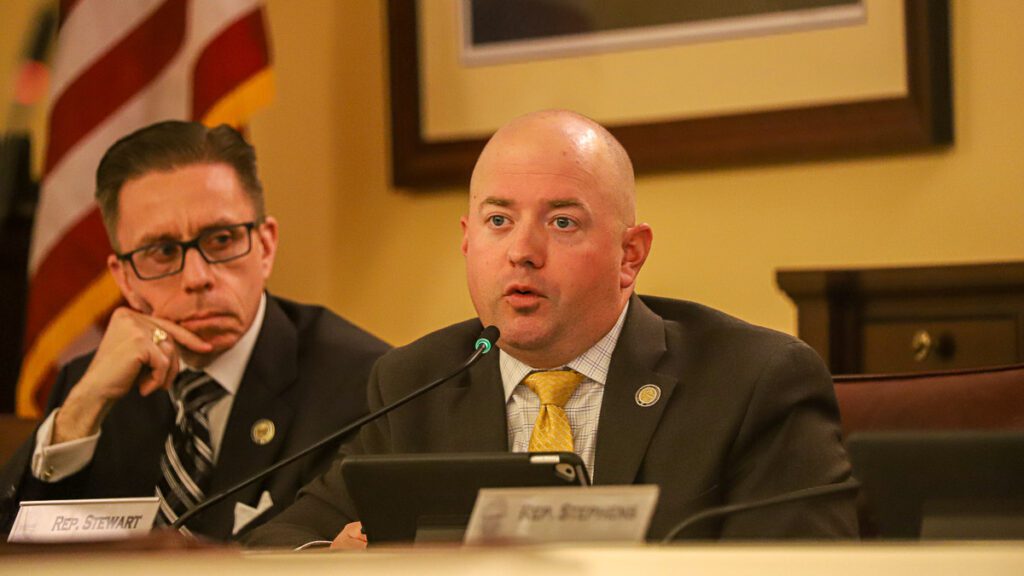
State Rep. Mike Dovilla, R-Berea, who serves on the Ohio House Medicaid Committee, has advocated for reforms after uncovering widespread problems with Ohio’s Medicaid, particularly the Aged, Blind, and Disabled category. Dovilla worked with colleagues on comprehensive Medicaid integrity legislation to safeguard taxpayer funds and ensure program integrity.
“This legislation strengthens oversight, targets fraud, waste, and abuse, protects vulnerable Ohioans, and safeguards taxpayer dollars,” Dovilla said in a post to X.
Sub. SB 315 has passed the Ohio House, and the Senate has concurred with the House’s Medicaid integrity reforms.
This legislation strengthens oversight, targets fraud, waste, and abuse, protects vulnerable Ohioans, and safeguards taxpayer dollars. #Ohio #Medicaid #Accountability pic.twitter.com/bW9s5TdhBS
— State Representative Mike Dovilla (@RepMikeDovilla) June 11, 2026
Among the concerns were “hundreds of home health businesses operating out of the same buildings with little to no activity, billions in payments for unverifiable services and oversight that has been outpaced by those seeking to game the system,” Dovilla testified on June 10. “It is clear that reforms must go beyond eligibility to address provider enrollment, in-home care verification, payment integrity, and patterns of fraud that are costing Ohioans hundreds of millions of dollars each year.”
Reforms include stronger provider enrollment requirements, improved electronic visit verification systems, enhanced oversight of high-risk providers, and stronger penalties for fraudulent activity.
“This final product reflects countless hours of collaboration and around-the-clock work with providers, advocates, and my colleagues to get the policy right,” state Rep. Meredith Craig, R-Smithville, who serves on the House Medicaid Committee, said in a release. “This legislation addresses fraud and improves oversight without disrupting services for Ohio’s disabled population and other vulnerable individuals.”
The state’s most recent 2025 Single Audit of several federally supported programs found issues with Ohio’s Medicaid Surveillance Utilization Reviews.
Auditors identified two significant deficiencies related to the state’s Medicaid Cluster and CHIP programs, involving third-party liability and controls against overutilization of services and excess payments.
The SUR programs are federally mandated, automated post-payment screening systems used by state Medicaid agencies to identify aberrant billing patterns and other red flags for fraud and abuse. This was a repeat finding from a previous audit.
ODM officials said they will continue to monitor high-risk providers, issue suspensions when warranted and pursue every available tool to detect, deter and prevent fraud.
Ohio Medicaid is working to be responsive and transparent about the fraud prevention initiatives. The Strengthening Medicaid Program Integrity webpage provides updates about ODM’s fraud prevention initiatives.
“Medicaid is a lifeline for many of Ohio’s most vulnerable individuals, including children, seniors, individuals with disabilities, and families facing difficult circumstances,” state Rep. Melanie Miller, R-Ashland, said in a release. “We have a responsibility to ensure these critical resources are available for those who truly need them.
“By strengthening oversight, increasing transparency, and cracking down on fraud and abuse, this legislation protects both taxpayers and the Ohioans who depend on Medicaid for essential care,” Miller added. “Safeguarding the integrity of the program helps ensure that support reaches the people it was designed to serve today and for generations to come.”